

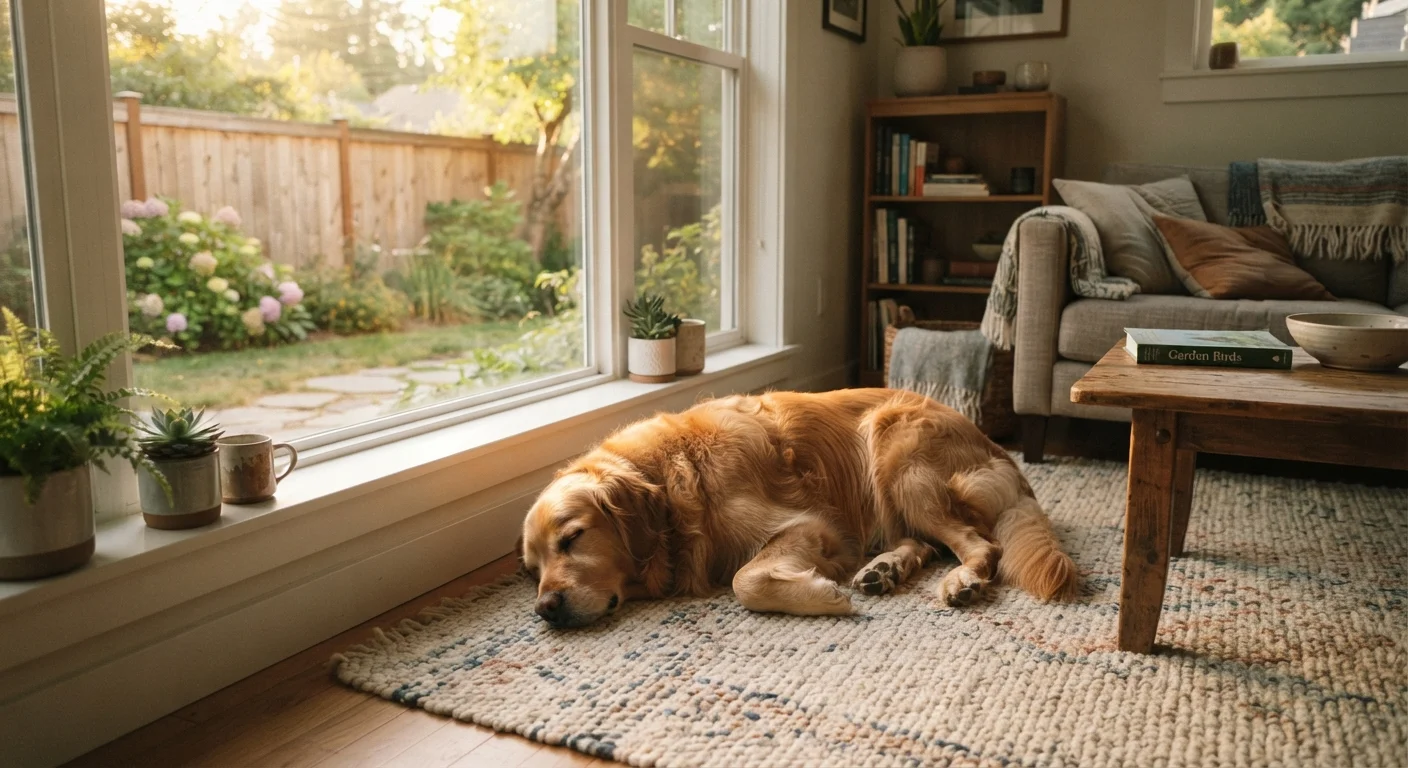
Option A
Indoor Dogs
The socially integrated, climate-controlled companion.
Best for: Dogs that thrive on human contact, breed types sensitive to temperature extremes, and households where bonding and behavioral monitoring are priorities.
Option B
Outdoor Dogs
The independent, working-oriented, space-loving canine.
Best for: Large, high-energy breeds with weather-resistant coats that have secure, enriched outdoor environments and consistent owner interaction.
What 'Indoor' and 'Outdoor' Actually Mean for Dogs
The indoor vs. outdoor debate is rarely black and white. In practice, most dogs live somewhere on a spectrum - spending nights inside, days in a yard, or moving freely between both. When veterinarians and behaviorists discuss housing arrangements, the core question is less about physical location and more about whether a dog's social, physical, and safety needs are being consistently met.
An indoor dog primarily lives inside the home, sleeps indoors, eats with the family nearby, and goes outside for exercise and toileting. An outdoor dog spends most of its time outside - often in a yard, kennel, or working environment - with limited access to interior spaces.
Neither arrangement is automatically right or wrong, but both come with distinct responsibilities. The variables that matter most are breed characteristics, climate, the dog's individual temperament, and the quality of care and engagement provided.
The 'Outdoor Dog' Isn't a Low-Effort Choice
A common misconception is that keeping a dog outdoors reduces the owner's daily commitment. In reality, outdoor dogs require just as much attention, veterinary care, and engagement as indoor dogs - and in some respects more, since their health and emotional state can be harder to monitor. If you're considering an outdoor arrangement primarily for convenience, it's worth reconsidering whether the setup will genuinely meet your dog's needs.
Head-to-Head: Key Differences at a Glance
Understanding the practical trade-offs between these two living situations helps owners make more intentional choices for their specific dog.
| Criterion | Indoor Dogs | Outdoor Dogs |
|---|---|---|
| Social bonding | High - constant family proximity | Lower - depends on owner interaction time |
| Temperature safety | Climate-controlled, lower risk | Exposure to extremes; shelter required |
| Parasite exposure | Generally lower | Higher; robust prevention essential |
| Behavioral monitoring | Easy - owners observe daily | Harder - subtle changes may be missed |
| Exercise access | Requires intentional daily outings | More natural movement opportunities |
| Suitable breeds | All breeds; essential for small/flat-faced | Large, working, double-coated breeds |
| Risk of isolation stress | Low when integrated into household | High if human contact is infrequent |
One often-overlooked factor is behavioral health. Dogs isolated outdoors for long periods without stimulation or companionship can develop problematic behaviors including excessive barking, digging, fence-running, and aggression. For a deeper look at how social deprivation contributes to anxiety, see our article on separation anxiety in dogs.
Breed, Coat, and Climate: The Non-Negotiables
Breed traits are among the strongest predictors of whether outdoor living is appropriate. Dogs bred for cold-weather work - such as Alaskan Malamutes, Bernese Mountain Dogs, or Saint Bernards - typically tolerate outdoor conditions far better than short-coated or small breeds. Conversely, Chihuahuas, Greyhounds, Bulldogs, and similar breeds lose body heat rapidly and are at real risk in cold weather or excessive heat.
Brachycephalic breeds (those with short, flat faces like Pugs, French Bulldogs, and Boston Terriers) face additional risk outdoors due to their compromised ability to pant and regulate temperature. These dogs should primarily be kept indoors.
103°F+
Body temperature at which heatstroke risk becomes critical in dogs
Veterinary guidelines generally identify temperatures above 103°F (39.4°C) as the threshold for dangerous hyperthermia in dogs, according to the Merck Veterinary Manual.
~1 in 3
Dogs affected by some form of anxiety, per behavioral research
A 2020 study published in Scientific Reports found that approximately 72% of dogs showed anxiety-like behaviors, with isolation-related behaviors among the most common.
Climate matters too. A Labrador Retriever in a temperate Pacific Northwest climate has very different outdoor requirements than the same breed in a humid Gulf Coast summer. Always factor in your local environmental extremes, not just average conditions.
Health status is equally important. Senior dogs and those managing chronic conditions generally do better indoors where temperature is controlled and owners can more readily notice changes in behavior or mobility.
What Every Outdoor Dog Still Needs
If your dog does spend significant time outdoors, minimum care standards are non-negotiable regardless of breed or climate toughness. These include:
- Secure shelter that protects from wind, rain, and temperature extremes - not just a tether or open yard
- Fresh, clean water available at all times, including in freezing conditions where water can ice over
- Daily human interaction - outdoor dogs are not low-maintenance dogs
- Parasite prevention, as outdoor exposure increases risk of fleas, ticks, and intestinal parasites
- Up-to-date vaccinations, since outdoor dogs encounter more environmental pathogens; review our guide to the dog vaccination schedule for what's typically recommended
Mental enrichment is just as critical as physical care. A dog left alone in a yard without activities, toys, or training engagement is at risk of boredom-driven behavioral issues. Our article on mental stimulation for dogs covers cognitive enrichment strategies that work for dogs in any living situation.
Why Most Vets Lean Toward Indoor Living - With Caveats
Veterinary and animal behavior organizations generally recommend that dogs live primarily indoors as members of the household. Dogs are a domesticated, highly social species; they evolved alongside humans and have biological needs for social bonding that are difficult to meet through limited or scheduled outdoor contact alone.
That said, indoor living doesn't mean sedentary living. A dog kept indoors all day with no exercise, outdoor access, or stimulation is also not thriving. The healthiest arrangement for the vast majority of dogs is one where they sleep, rest, and bond indoors - while getting regular, breed-appropriate outdoor time each day.
For owners who use structured indoor training tools, crate training can be a useful component of indoor management, giving dogs a defined, comfortable space without restricting their access to family life.
This article is for general informational purposes only and is not a substitute for professional veterinary advice. Consult your veterinarian for guidance tailored to your individual dog's health, breed, and circumstances.
The content provided on our blog site traverses numerous categories, offering readers valuable and practical information. Readers can use the editorial team’s research and data to gain more insights into their topics of interest. However, they are requested not to treat the articles as conclusive. The website team cannot be held responsible for differences in data or inaccuracies found across other platforms. Please also note that the site might also miss out on various schemes and offers available that the readers may find more beneficial than the ones we cover.