

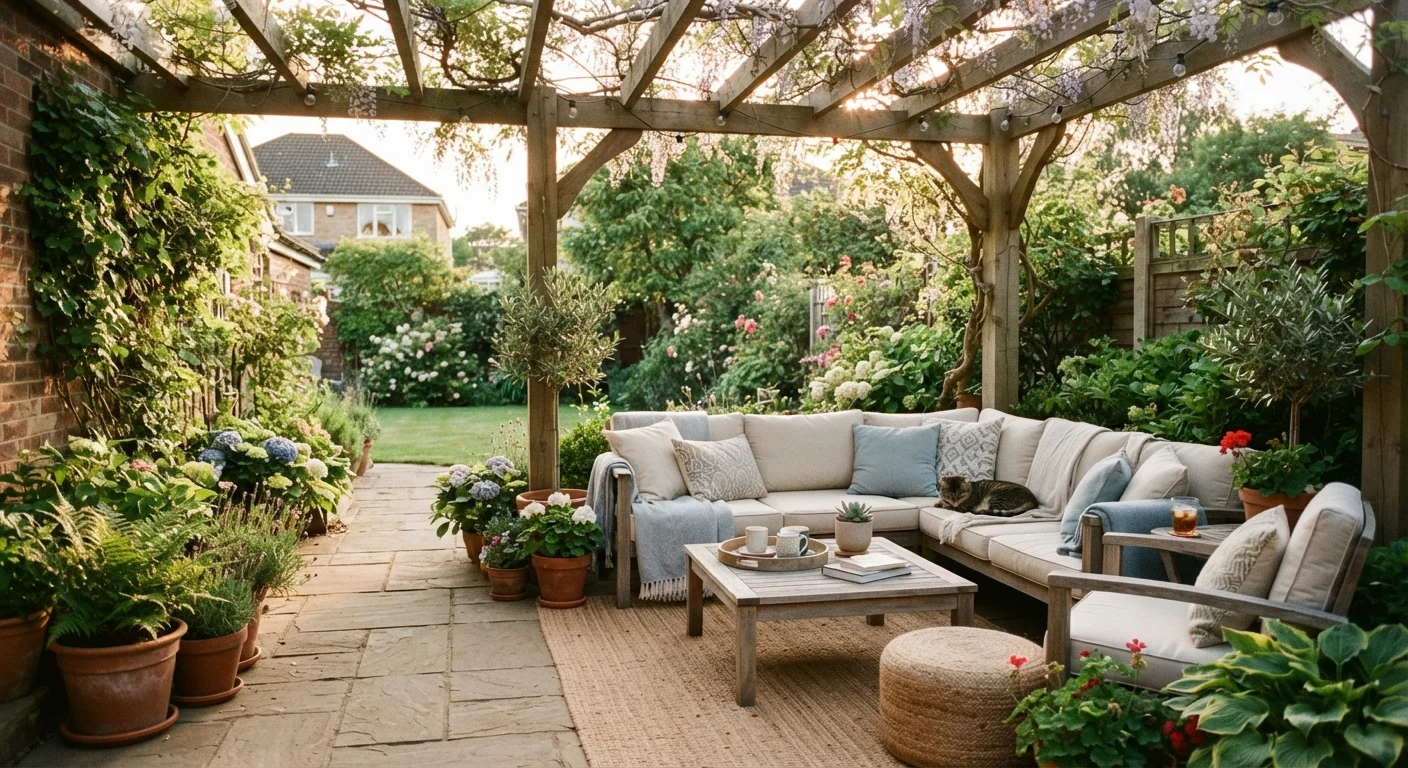
Why Most Outdoor Spaces Go Unused
A beautifully staged patio can still sit empty most of the year. The most common reason isn't budget or design taste - it's that the space wasn't planned around actual daily habits. Outdoor living areas often fail because they prioritize aesthetics over usability: furniture that's uncomfortable in direct sun, no easy path from the kitchen, nowhere to set a drink, or a layout that makes the space feel like an event venue rather than a natural extension of home.
Good outdoor design borrows from the same principles that make interior spaces work. The furniture layout decisions that define or derail a living room apply just as much outside: traffic flow, conversation zones, and focal points all matter. The difference is that outdoors, comfort conditions - sun exposure, wind, insects - determine whether the space gets used at all.
Core Practices for a Space That Actually Gets Used
The following practices address the most common design gaps that leave outdoor spaces underused. Each one targets a specific decision point in the planning process.
Prioritize shade and weather protection before anything else.
Sun exposure is the primary reason outdoor spaces sit empty in summer. Without shade, even beautifully furnished patios become unusable during the peak hours of the day. A pergola, shade sail, large umbrella, or mature tree overhead changes how many hours a day the space is genuinely comfortable.
Design for a clear, unobstructed path between indoors and the outdoor space.
Friction kills use. If reaching the outdoor area means navigating through a cluttered room, past a sticking door, or down steps without a handrail, people simply won't do it regularly. The easier the transition, the more naturally the space becomes part of daily life.
Zone the space for at least two distinct uses.
A single undifferentiated area tends to become furniture storage or a transitional zone rather than a destination. Defining a dining zone and a lounging zone - even with simple changes like a rug or planter as a divider - gives different household members a reason to be outside at the same time for different activities.
Choose furniture scaled to the space, not aspirational dimensions.
Oversized furniture on a small patio creates a cluttered, uncomfortable environment that discourages use. Layouts need clear walking paths of at least 24-30 inches and comfortable clearance around seating. The same spatial principles that apply to making compact interior spaces feel generous work outdoors: visual breathing room matters.
Add weatherproof storage within arm's reach of the seating area.
When items like cushions, sunscreen, outdoor games, or a throw blanket have no convenient home, they stay inside - and gradually stop being brought out at all. On-site storage removes the micro-decisions that erode habitual use over time.
Lighting, Storage, and the Details That Extend Use
Two elements reliably separate an outdoor space that gets used morning to evening from one that's only functional at peak conditions: lighting and storage.
“The best outdoor spaces feel like rooms - they have a ceiling, walls of a sort, and a purpose. Without that sense of enclosure and intention, people gravitate back inside.”
— Julie Moir Messervy, Landscape designer and author on outdoor space design
Outdoor lighting - string lights, solar path markers, wall-mounted fixtures - allows the space to transition naturally from afternoon to evening. This is especially important in summer when evenings are the most comfortable part of the day. For layered approaches that apply beyond the indoors, the strategies in artificial lighting that transforms how a space feels after dark offer transferable ideas on layering light sources at different heights.
Storage is equally underrated. When cushions, throws, games, and tools have a dedicated weatherproof home nearby, they actually get used. A storage bench or deck box near the seating area removes the friction of hauling things in and out every time.
Use a Rug to Anchor Your Outdoor Room
An outdoor-rated rug placed under your seating group does more than add visual warmth - it signals that the area is a room, not just a surface. This simple addition helps define the space and makes it feel intentionally designed rather than improvised. Look for rugs rated for UV and moisture resistance so they hold up through changing conditions.
Integrating Planting Without Losing Usable Space
Plants soften hard surfaces, provide privacy, and give a space a sense of enclosure that makes it feel like a room rather than a concrete pad. The challenge is adding greenery without eating into usable square footage.
Vertical planting - trellises, wall planters, tall potted specimens - builds visual depth while keeping floor space open. Raised planters along the perimeter double as informal seating or ledge surfaces. If you want to add edible plants to the mix, the guide to growing food in small outdoor spaces covers how balconies and courtyards can be productive without becoming cluttered.
When choosing plants for a seating area, prioritize species that don't drop debris heavily, aren't prone to attracting stinging insects near dining zones, and suit your local climate zone without excessive maintenance. Low-maintenance doesn't mean uninteresting - it means the space stays inviting rather than becoming a chore.
79%
Homeowners who say outdoor spaces improve quality of life
According to the American Institute of Architects' Home Design Trends surveys, outdoor living consistently ranks among the most-requested home features.
36 in.
Minimum recommended clearance around outdoor dining tables
Design guidelines from landscape and patio professionals typically recommend at least 36 inches of clearance around dining furniture to allow comfortable movement.
For broader home improvement context on outdoor upgrades, the Home Improvement hub covers structural and maintenance topics that can inform deck, pergola, or paving decisions.
Quick-Start Actions to Get Moving Today
Planning an outdoor space doesn't require a full redesign to improve. Several high-impact changes can be made immediately, regardless of your current setup.
The content provided on our blog site traverses numerous categories, offering readers valuable and practical information. Readers can use the editorial team’s research and data to gain more insights into their topics of interest. However, they are requested not to treat the articles as conclusive. The website team cannot be held responsible for differences in data or inaccuracies found across other platforms. Please also note that the site might also miss out on various schemes and offers available that the readers may find more beneficial than the ones we cover.