

Why Habits Matter More Than One-Off Fixes
Most vehicle breakdowns and expensive repairs don't happen without warning - they develop gradually through accumulated neglect. A car that's consistently well cared for will, in most cases, outlast and outperform one that receives only reactive attention. The difference isn't always about spending more money; it's about spending it at the right times.
For both new and experienced owners, the core challenge is building habits that don't slip. That means understanding not just what to do, but why it matters. Our car maintenance hub covers the full scope of upkeep, but this article focuses on the consistent behaviors that deliver the greatest long-term payoff.
“The most expensive repair is almost always the one that could have been prevented. Routine maintenance isn't a cost - it's an investment in avoiding far greater costs down the road.”
— Cars & Driving Editorial Team, Automotive editorial and vehicle maintenance guidance
The Core Practices Every Owner Should Follow
The habits below apply broadly to most passenger vehicles - always refer to your owner's manual for model-specific guidance. If a task feels beyond your comfort level, a qualified mechanic is always the right call. For more on what's safe to handle yourself and what isn't, we've covered that in detail separately.
Follow the manufacturer's service schedule without exception.
Scheduled servicing isn't optional upkeep - it's the designed maintenance rhythm for your specific engine and drivetrain. Skipping intervals allows oil degradation, filter blockages, and minor wear to compound into serious mechanical failures. Consistent servicing also maintains a documented history that supports resale value.
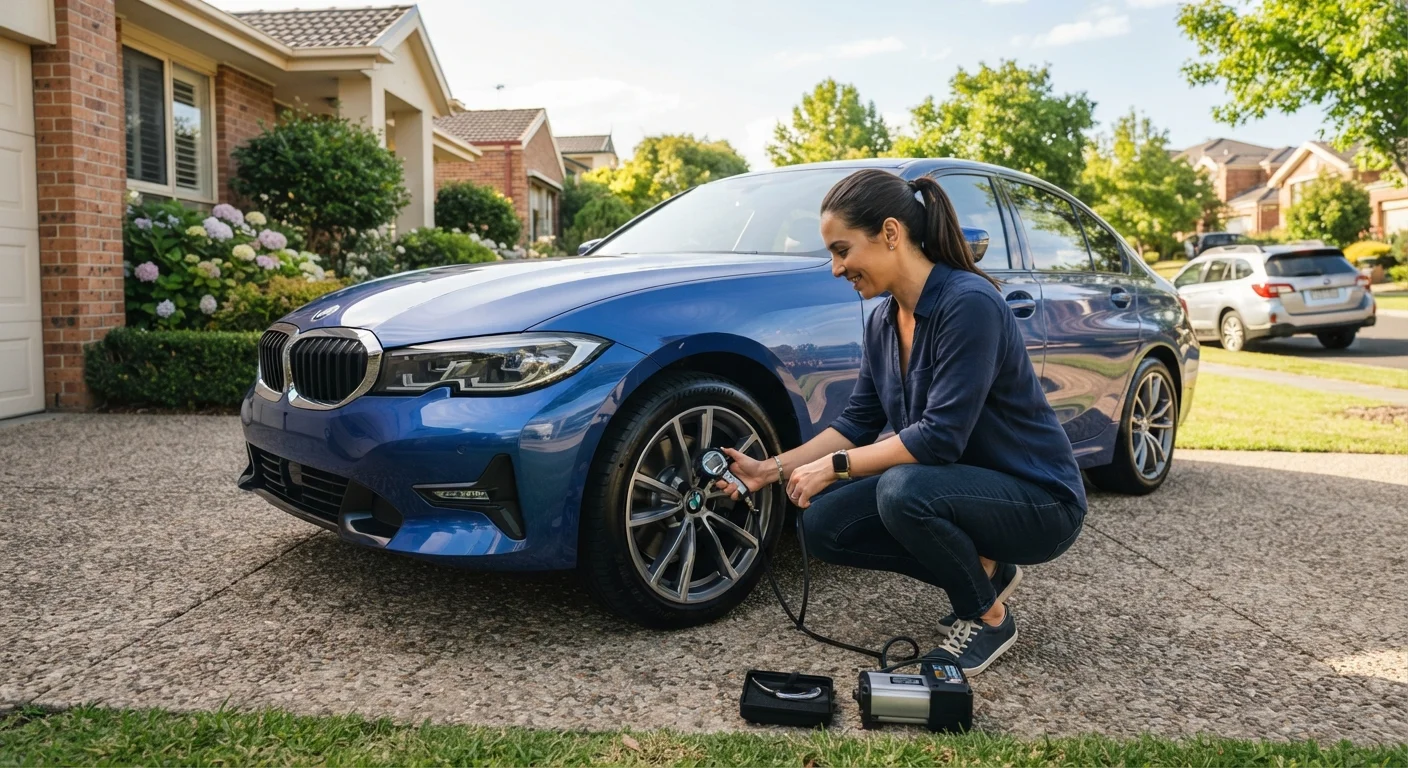
Check tyre pressure at least once a month and before long trips.
Underinflated tyres increase rolling resistance, reduce fuel economy, and wear unevenly across the tread. Overinflation reduces contact with the road, affecting braking and grip. Neither condition is visible to the naked eye at slight deviations, making regular gauge checks essential.
Monitor and top up engine fluids on a regular schedule.
Engine oil, coolant, brake fluid, and transmission fluid each protect critical systems. Running low - or running fluids past their service life - degrades components that are expensive to replace. A five-minute check under the hood every few weeks can reveal issues before they escalate.
Drive smoothly - accelerate gradually and brake with anticipation.
Hard acceleration and late, heavy braking are among the fastest ways to wear brakes, tyres, and drivetrain components prematurely. Smooth inputs reduce mechanical stress and improve fuel economy. Defensive driving habits also reduce the likelihood of incidents that cause both injury and vehicle damage.
Address warning lights and unusual sounds promptly - don't wait.
Warning lights and new noises are a vehicle's way of signaling that something needs attention. Deferring inspection often allows a minor fault to cascade into a more complex and expensive repair. Many issues flagged by warning systems are inexpensive to fix in isolation but costly when left unaddressed.
Keep the vehicle clean, inside and out, year-round.
Road salt, grime, and moisture cause corrosion on the undercarriage and body panels. Interior neglect can degrade upholstery and surfaces, affecting resale value. Regular washing - especially after winter driving - protects paintwork and structural components.
Know Your Owner's Manual
Every vehicle has a manufacturer-specified service schedule tailored to its engine, transmission, and systems. The owner's manual is the authoritative source for service intervals, fluid types, and tyre pressure specifications - not general rules of thumb. When in doubt, follow the manual rather than folklore or advice designed for a different vehicle.
Start Today: Quick Wins You Can Act On Now
You don't need to overhaul your routine overnight. A few targeted actions this week can meaningfully reduce your risk of an avoidable repair. Tyre safety checks and fluid monitoring are particularly high-value starting points because they're quick, cost nothing, and reveal problems early.
For a more structured approach, the seasonal car maintenance calendar breaks down what to check throughout the year. Owners thinking long-term about the financial case for staying on top of upkeep should also explore the logic behind keeping a car long-term.
The content provided on our blog site traverses numerous categories, offering readers valuable and practical information. Readers can use the editorial team’s research and data to gain more insights into their topics of interest. However, they are requested not to treat the articles as conclusive. The website team cannot be held responsible for differences in data or inaccuracies found across other platforms. Please also note that the site might also miss out on various schemes and offers available that the readers may find more beneficial than the ones we cover.