

Our Verdict
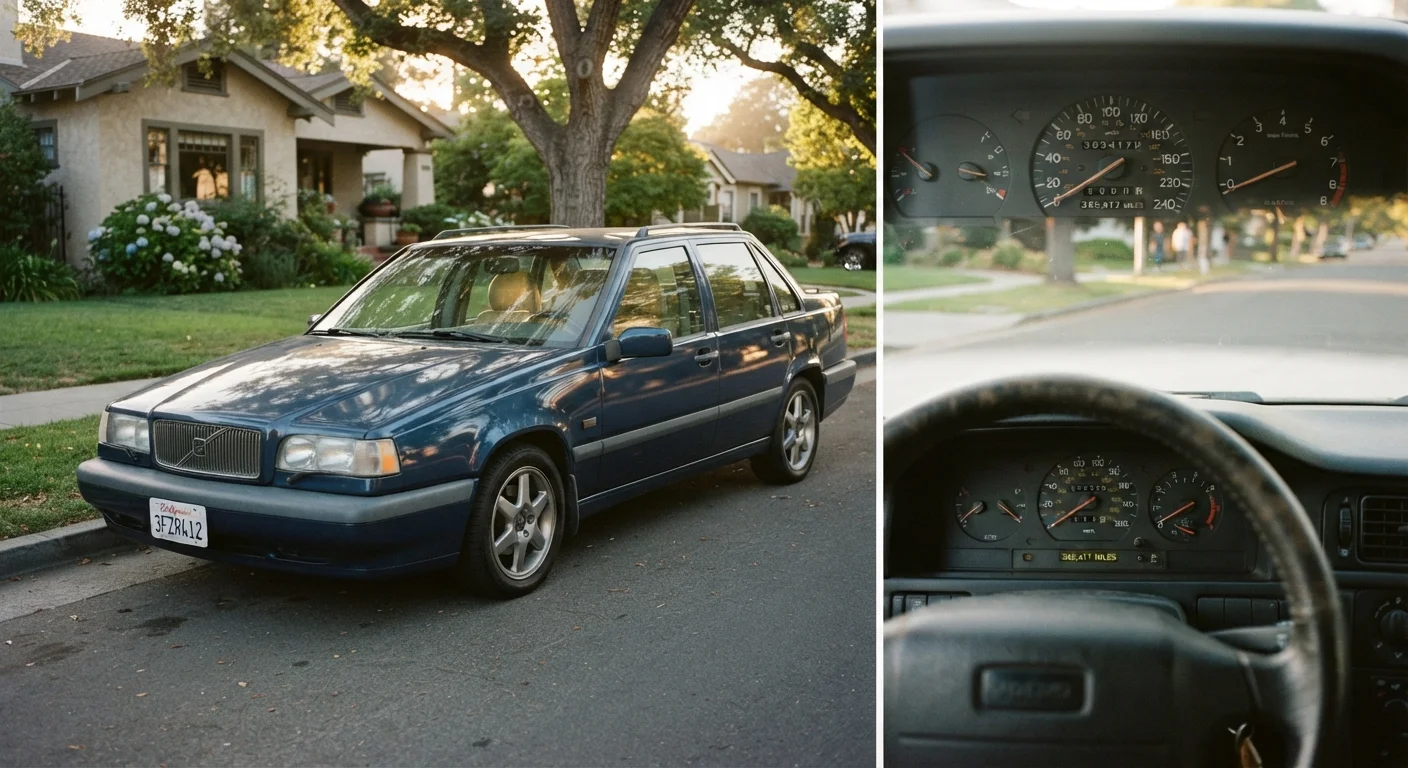
Keeping a vehicle long-term is financially sound for most drivers, provided the car has been maintained consistently and repair costs haven't begun to stack up faster than a replacement payment would. The math generally favors the long-haul approach: depreciation costs are mostly behind you, insurance tends to be cheaper, and you avoid the trap of perpetual loan payments. That said, reliability concerns and changing life circumstances are legitimate reasons to reassess.
Drivers with a solid service history, predictable commuting needs, and a preference for minimizing monthly fixed costs will find the strongest case for long-term ownership.
Why the Financial Case for Holding On Is Stronger Than It Looks
The instinct to trade in a vehicle as the miles climb is understandable - newer cars feel safer, more efficient, and less uncertain. But the financial logic often points in the opposite direction. Once a car has cleared its steepest depreciation curve, typically within the first three to five years, the cost of ownership per mile begins to fall. You've already absorbed the largest loss in value; what remains is a paid-off or near-paid-off asset that costs far less per month to keep than a replacement would.
For a fuller picture of what ownership actually costs across all stages, see our guide on the true cost of owning a car beyond the sticker price. Understanding that full stack - insurance, fuel, registration, maintenance, and financing - is essential before deciding whether to hold or replace.
Depreciation curve has already flattened significantly
New vehicles can lose 15-25% of their value in the first year alone. By year five or six, that rate slows dramatically, meaning the owner is no longer absorbing major value loss with each passing month.
No monthly loan payment once the car is paid off
Eliminating a car payment - often $400-$700 per month for new vehicles - frees up cash that can cover years of routine maintenance or be directed elsewhere in a household budget.
Lower insurance premiums on older vehicles
As a vehicle's market value falls, owners may be able to reduce or drop comprehensive and collision coverage, lowering premiums meaningfully without taking on unreasonable financial risk.
Known reliability history with your specific vehicle
A vehicle you've owned for years holds no hidden surprises - you know its quirks, service needs, and history. That familiarity is a genuine advantage over taking on an unknown used car.
Repair costs rarely outpace new-car payments
Even a significant repair bill - say, $1,500 for a major service - often costs less than three months of new-car payments, meaning the financial threshold for "too expensive to fix" is higher than it feels.
The Real Costs That Rise With Age and Miles
Long-term ownership isn't without trade-offs. As vehicles age, wear items like timing belts, water pumps, suspension components, and gaskets require attention. Repair bills that arrive unexpectedly can feel alarming, especially when stacked against the apparent simplicity of a new-car warranty. It's worth understanding, however, that most high-mileage repair bills - even significant ones - still fall short of what a year of new-car payments would cost.
The equation does eventually tip. If a vehicle requires multiple major repairs within a short window, or if a core system like the transmission or engine needs replacement, the calculus changes. At that point, the question shifts from "should I keep it?" to "does the remaining value of this vehicle justify the repair cost?" - a different and harder question.
Out-of-warranty repairs fall entirely on the owner
Once manufacturer and extended warranties expire, every repair bill is the owner's responsibility. Without a repair fund set aside, unexpected costs can create real financial stress.
Older vehicles may lack modern safety technology
Features like automatic emergency braking, blind-spot monitoring, and lane-keeping assist are now standard on many new vehicles. Older cars simply don't offer these, which is a legitimate safety consideration.
Fuel efficiency may lag behind newer models
Powertrain technology has improved considerably over the past decade. Depending on annual mileage, the fuel savings from a more efficient replacement may partially offset a new vehicle's higher cost.
Repair frequency can accelerate unpredictably
High-mileage vehicles don't fail in neat, predictable patterns. Multiple systems can begin showing wear simultaneously, turning one manageable repair into several overlapping ones within a short period.
Resale value continues to decline over time
Every additional year of ownership further reduces what the vehicle could fetch in a trade-in or private sale, narrowing the financial cushion available when the time to replace does eventually come.
Avoiding that tipping point is largely about proactive maintenance. Our article on maintenance habits that extend the life of high-mileage vehicles outlines the specific attention older cars require to stay reliable past 100,000 miles.
Making the Decision: Practical Factors to Weigh
No single mileage number or vehicle age determines when it's time to move on. Instead, several converging factors deserve consideration:
- Repair history: A car that has needed one significant repair is very different from one that has needed four in two years. Frequency matters more than individual cost.
- Service records: A documented maintenance history is the strongest indicator of how much life a vehicle has left. Gaps in servicing raise legitimate reliability questions.
- Insurance costs: Older vehicles, especially those no longer requiring comprehensive or collision coverage, typically carry lower premiums - a meaningful monthly saving.
- Life fit: A growing family, a new job with a longer commute, or changing towing needs may make a different vehicle genuinely necessary, regardless of the financial case for keeping the old one.
When to Consult a Trusted Mechanic
If you're unsure whether a repair is worth pursuing on a high-mileage vehicle, an independent pre-repair inspection from a qualified mechanic can provide an honest assessment of the vehicle's overall condition - not just the immediate issue. This is especially useful before committing to a repair costing more than a few hundred dollars. A good mechanic will flag other developing problems that could affect your decision.
Consistent habits are the foundation of any long-term ownership strategy. The habits that keep a car running well and cut long-term costs are straightforward and don't require mechanical expertise - they simply require regularity. For deeper context on how long-term ownership myths can skew these decisions, car ownership myths that trip up even experienced drivers is a useful companion read.
The content provided on our blog site traverses numerous categories, offering readers valuable and practical information. Readers can use the editorial team’s research and data to gain more insights into their topics of interest. However, they are requested not to treat the articles as conclusive. The website team cannot be held responsible for differences in data or inaccuracies found across other platforms. Please also note that the site might also miss out on various schemes and offers available that the readers may find more beneficial than the ones we cover.