

Our Verdict
Antarctica is an extraordinary, once-in-a-lifetime destination whose true cost extends well beyond the headline expedition price. When permits, insurance, gear, gateway logistics, and environmental levies are factored in, total trip costs can run significantly higher than most travelers initially expect. Careful, honest budgeting - including every hidden line item - is essential before committing.
Travelers with flexible budgets, a strong passion for wilderness and wildlife, and the patience to plan thoroughly will find Antarctica uniquely rewarding.
Why Antarctica Costs More Than the Brochure Suggests
Antarctica ranks among the most expensive destinations on Earth - and not simply because expedition cruises carry a high price tag. The continent's extreme remoteness, strict environmental protocols, and logistical complexity layer on costs that most travelers don't account for when they first start researching. As our guide to overlooked travel expenses notes, hidden costs have a way of quietly inflating even carefully planned trips. Antarctica is a particularly dramatic example of that pattern.
Expedition voyages - the standard way to visit - typically range from roughly $5,000 to over $15,000 per person depending on vessel size, cabin class, and itinerary length. But that number is a foundation, not a ceiling. Below, we break down what actually drives the full cost of an Antarctic journey.
~55,000
Annual tourist visitors to Antarctica
IAATO tracks visitor numbers each season; tourist arrivals have grown substantially over the past decade, with figures typically in the range of 50,000-75,000 depending on the season.
$1,000-$3,000
Estimated gear cost for first-time visitors
Expedition-grade insulated outerwear, waterproof boots, and layering systems represent one of the largest hidden costs for travelers who don't already own cold-weather kit.
The Overlooked Costs That Catch Travelers Off Guard
Before your ship leaves the dock, several major expenses will already have accumulated:
- IAATO fees and environmental levies: Most operators belong to the International Association of Antarctica Tour Operators (IAATO) and pass a per-passenger environmental fee on to travelers. Additionally, some Antarctic gateway nations charge their own visitor levies. These typically range from $100 to several hundred dollars.
- Specialized gear: Antarctic conditions demand insulated waterproof outerwear, layering systems, waterproof boots, and accessories like balaclava and liner gloves. If you don't already own expedition-grade kit, budget $1,000-$3,000 for new gear purchases. Some operators offer partial gear loans, which is worth confirming.
- Travel insurance: Standard travel insurance won't cut it here. You need a policy that explicitly covers emergency medical evacuation from Antarctica - a rescue flight from the continent can cost hundreds of thousands of dollars. Verify the coverage ceiling carefully.
- Gateway city costs: Nearly all cruises depart from Ushuaia, Argentina, often called the southernmost city in the world. Most travelers fly from North America or Europe, meaning significant international airfare plus at least one or two nights of accommodation and meals in Ushuaia before and after the voyage.
- Pre-departure medical clearance: Many operators require a physician-signed health form confirming you're fit to travel in an extreme environment. Doctor visit costs vary but should be anticipated.
Verify Entry Requirements Before You Book
Visa requirements, health documentation, and any passenger levies can change. Some Antarctic gateway nations have their own entry rules that are separate from expedition operator requirements. Always verify current entry conditions with official government sources and your expedition operator well in advance of travel - do not rely solely on third-party summaries.
For a broader look at how budget blind spots accumulate on complex trips, see our coverage of long-haul travel friction points.
Pros and Cons: Is Antarctica Worth the Full Investment?
Weighing the real value of an Antarctic expedition means looking honestly at both sides of the ledger.
Unmatched wildlife encounters unavailable elsewhere
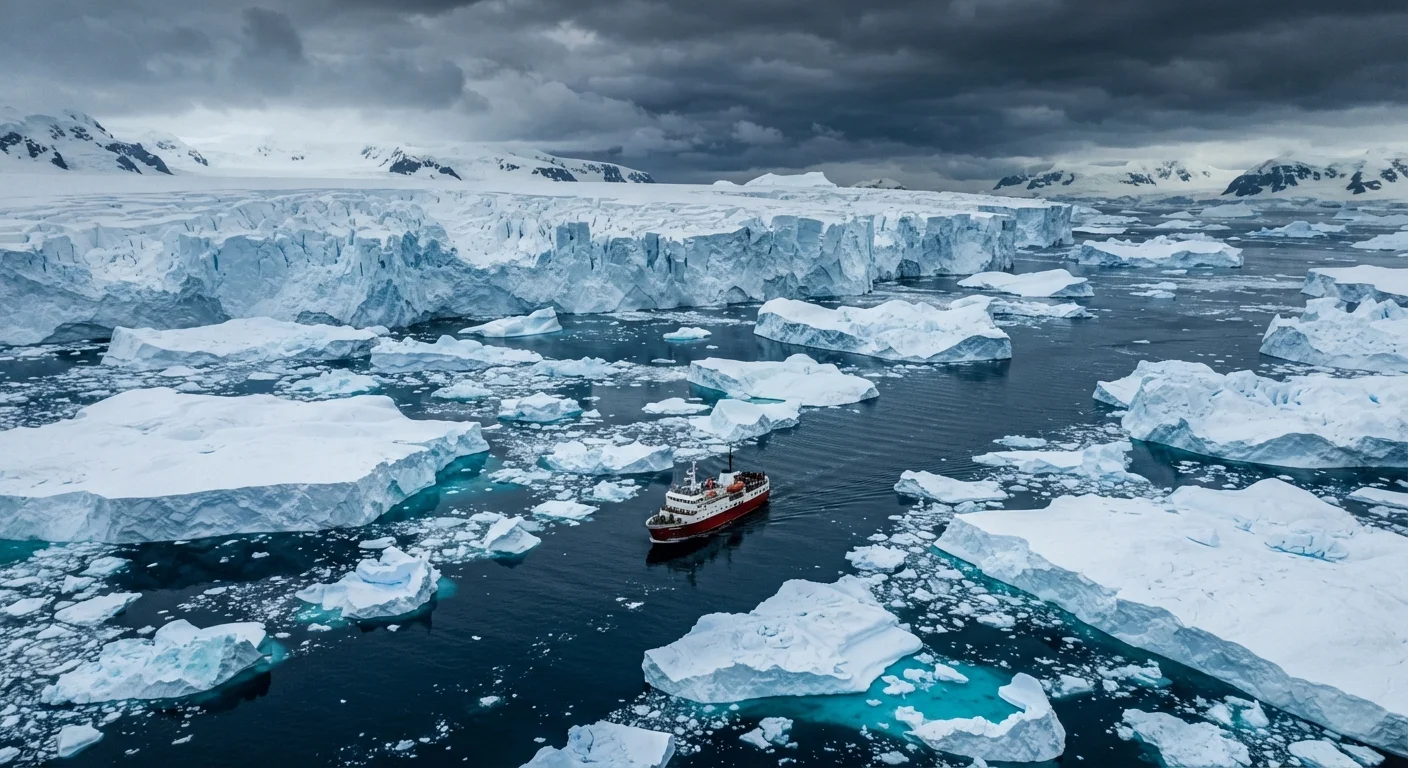
Antarctica offers close-range observation of penguin colonies, leopard seals, humpback whales, and albatrosses in a pristine setting. These interactions occur within strict wildlife-distance guidelines that actually enhance the naturalistic quality of the experience.
Genuinely transformative, once-in-a-lifetime travel
Travelers consistently describe Antarctica as a perspective-shifting experience. The scale of the ice, the absence of human infrastructure, and the sheer wildness of the environment are difficult to replicate anywhere on Earth.
Strict visitor regulations protect the experience's quality
IAATO's visitor guidelines limit group sizes on shore and control where travelers may land, which means the experience remains uncrowded and ecologically intact compared to many over-visited destinations.
Strong educational programming onboard expeditions
Most reputable expedition vessels carry on-board naturalists, glaciologists, and ornithologists who deliver lectures and accompany shore landings. Travelers return with genuine scientific context, not just photographs.
Total costs far exceed the advertised expedition price
When gear, insurance, flights, gateway accommodation, and environmental levies are combined, the real out-of-pocket cost can be 40-60% higher than the cruise fare alone. Many travelers are caught off guard by this gap.
Drake Passage crossing is notoriously rough
The stretch of ocean between Tierra del Fuego and the Antarctic Peninsula is among the world's most turbulent. Seasickness and rough conditions are common, and some travelers find the crossing physically challenging.
Weather can cancel or significantly alter shore landings
Antarctica's weather is unpredictable, and zodiac landings can be cancelled at short notice due to wind, visibility, or sea conditions. Travelers have limited recourse when itineraries change.
Significant carbon footprint of getting there
Long-haul international flights to South America followed by a ship voyage create a substantial carbon footprint. Travelers committed to environmental responsibility should factor this into their decision.
Limited accessibility for travelers with mobility considerations
Zodiac landings involve stepping onto inflatable boats and wading through shallow surf onto rocky or icy shores. The physical demands can exclude travelers with certain mobility limitations.
Antarctica shares some planning DNA with other remote southern destinations. If you're considering building a broader southern adventure, our Patagonia planning guide details what underpreparation costs in that equally unforgiving region - and the lessons carry over.
Budgeting Realistically for the White Continent
A realistic all-in budget for a solo traveler on a mid-range Antarctic expedition might look something like this:
| Cost Category | Estimated Range (USD) |
|---|---|
| Expedition cruise fare | $5,000 - $12,000+ |
| International airfare (round-trip) | $800 - $2,500 |
| Ushuaia accommodation & meals | $200 - $600 |
| Specialized gear (if purchased) | $1,000 - $3,000 |
| Travel insurance with evacuation | $300 - $800 |
| Environmental/IAATO levies | $100 - $400 |
| Medical clearance & vaccinations | $100 - $300 |
That puts a realistic total somewhere between roughly $7,500 and $20,000 or more before onboard gratuities, souvenirs, or trip cancellation contingencies. The irregular expenses most budgets forget principle applies in full force here - line-item planning is essential. For additional travel planning tips, our hub covers packing, safety, and on-the-road problem-solving.
All cost figures are estimates based on general traveler and industry reporting and may vary depending on operator, timing, departure point, and exchange rates. Verify all costs directly with your expedition operator and insurance provider before booking.
The content provided on our blog site traverses numerous categories, offering readers valuable and practical information. Readers can use the editorial team’s research and data to gain more insights into their topics of interest. However, they are requested not to treat the articles as conclusive. The website team cannot be held responsible for differences in data or inaccuracies found across other platforms. Please also note that the site might also miss out on various schemes and offers available that the readers may find more beneficial than the ones we cover.