

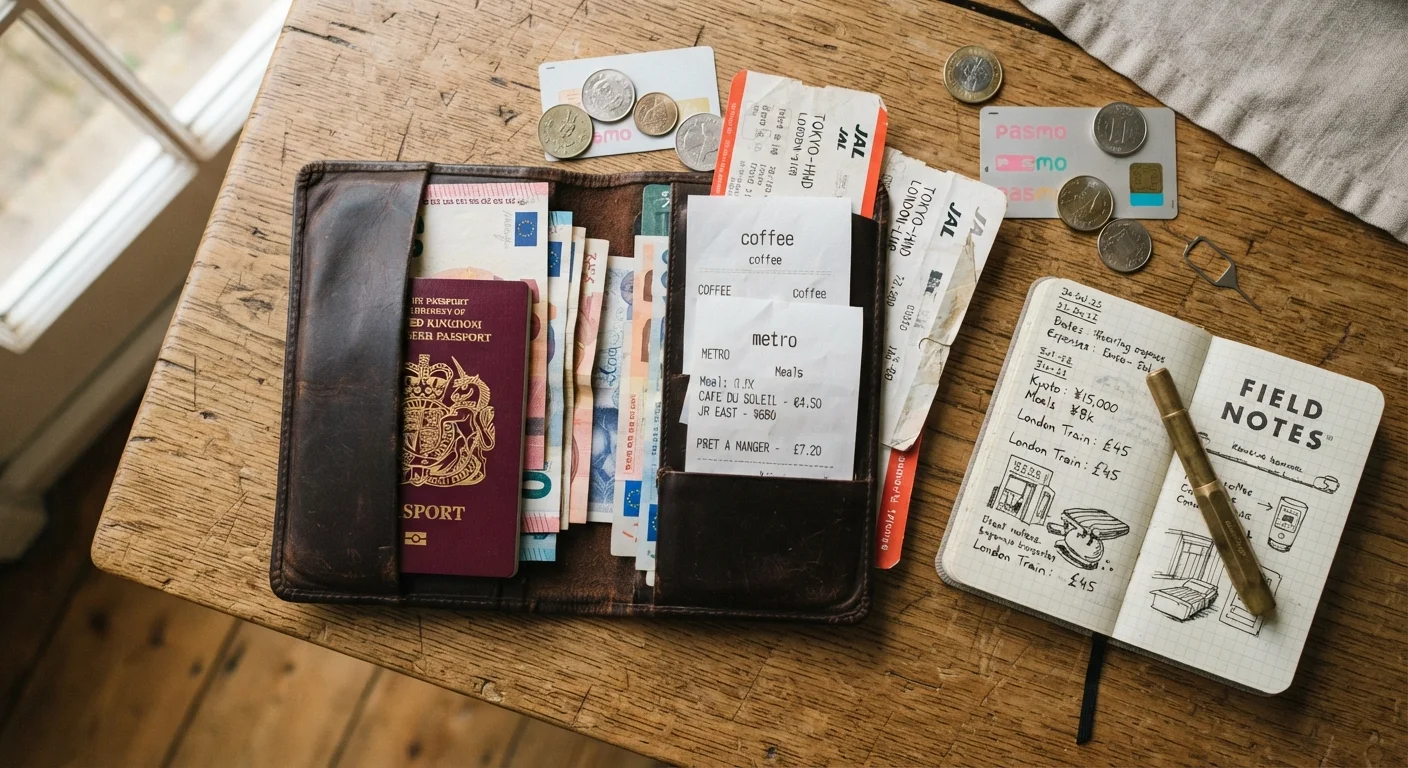
What Your Budget Is Probably Missing
You've booked the flights, reserved the hotel, and mapped out your itinerary. The budget looks solid. Then the trip actually happens - and somehow you're $400 over by day three. Sound familiar?
The culprit is almost never the big-ticket items. It's the steady drip of costs that never appear in booking confirmations: mandatory hotel fees tacked on at checkout, a taxi from an airport farther than expected, tipping in a country where cash gratuities are the norm. These aren't rare surprises - they're predictable expenses that travelers routinely overlook.
Understanding them in advance is one of the most practical things you can do before any trip. For a deeper look at why travel budgets unravel and how to build one that actually holds, see our guide to building a travel budget that holds.
Resort Fees and Destination Charges
Many hotels - particularly in Las Vegas, Miami, and popular resort markets - charge mandatory daily fees that don't appear in the advertised room rate. These can range from $25 to $50 or more per night, covering amenities like pool access, Wi-Fi, or a fitness center whether you use them or not. Always check the full nightly rate breakdown before confirming a booking, not just the headline price displayed in search results.
Mandatory resort fees can add $25-$50 per night to a rate you thought was already set.
Airport Transfers and Ground Transportation
The distance between an airport and a city center varies enormously - and so does the cost of bridging it. Some airports are 30-45 minutes from downtown by highway; others are connected by affordable rail. In many cities, taxis or ride-shares from major airports carry surge pricing, tolls, and tip expectations that push a single ride to $60 or more. Budget ground transportation for every arrival and departure, both ways.
A single airport ride in a major city, with tolls and tip, can easily reach $60-$80 each way.
Checked Baggage and Seat Selection Fees
Advertised airfares - especially on budget carriers - often exclude checked luggage, carry-on bags above a basic size, and any seat selection beyond a randomly assigned middle seat. Families traveling together may pay $30-$60 per bag each way, plus additional fees to sit together. Read the fare rules for every leg of your journey before booking, and calculate the true cost of transport with your actual packing needs in mind.
Checked bag fees on budget airlines can double the perceived cost of a low-fare ticket.
City and Tourism Taxes
Many European cities - Amsterdam, Venice, Barcelona, and others - charge nightly tourist taxes collected directly at the hotel, separate from any online booking total. These are typically a few euros per person per night, but across a week-long trip for a family, they add up. Some destinations also charge entry fees for historic sites, national parks, or controlled tourist zones. Research your destination's specific levies before finalizing your daily budget.
Tourist taxes in European cities are collected at the hotel and rarely appear in booking totals.
Tipping Norms and Cash Gratuities
In the US, tipping 18-20% at restaurants and for service providers is standard. Abroad, norms differ dramatically - some countries consider tipping unusual or even rude, while others expect cash gratuities for everything from hotel porters to tour guides. Researching local customs isn't just culturally respectful; it protects your budget from either undertipping where it's expected or overtipping where it isn't the norm.
Misreading tipping culture can add - or unnecessarily drain - hundreds of dollars from a travel budget.
Foreign Transaction Fees and Currency Conversion
Many standard credit and debit cards charge 1-3% foreign transaction fees on every international purchase. Compounding that, some overseas merchants and ATMs offer to convert the charge to US dollars at the point of sale - a practice called dynamic currency conversion - which typically applies a worse exchange rate than your card's issuing bank would use. Decline dynamic currency conversion when prompted, and consider a travel-friendly card with no foreign transaction fees before your trip. For more on financial risks abroad, the guide to staying financially safe while travelling is worth a read.
Always decline dynamic currency conversion at the point of sale - it almost always costs you more.
Travel Insurance and Medical Costs
Travel insurance is frequently skipped to save money upfront - and then sorely missed when a flight cancels, a bag disappears, or a medical issue arises abroad. Many standard US health insurance plans offer little or no coverage outside the country. Evacuation costs alone can reach five figures in remote or underserved destinations. Evaluating travel insurance as a genuine line item, not an afterthought, is part of responsible trip budgeting. Consult the plan details and your personal health coverage carefully before deciding what level of protection makes sense for your trip.
Medical evacuation from a remote destination can cost tens of thousands without adequate insurance coverage.
Build a Buffer Before You Go
The best defense against hidden costs isn't obsessive line-item research - it's building a realistic contingency fund into every budget from the start. A common approach among experienced travelers is to add 15-20% to any estimated trip total as a dedicated buffer for unplanned expenses.
Start With a Contingency Line Item
When building your trip budget, add a dedicated contingency line of 15-20% of your estimated total before you finalize anything. This isn't padding - it's a realistic acknowledgment that travel involves unpredictable costs. Treat it as spent money you hope not to need, and you'll arrive home without the sinking feeling of going over budget. For foundational budgeting strategies that apply well beyond travel, the Budgeting Basics hub is a practical starting point.
It also pays to look at your destination's norms before departing. Tipping culture, common transport options, local tax structures, and resort fee prevalence all vary by region and can be researched in advance. The Travel Tips hub covers practical destination knowledge that complements any pre-trip financial prep.
Finally, watch your money as closely as your miles. Dynamic currency conversion, foreign transaction fees, and ATM charges can compound quickly on longer trips. Our article on staying financially safe while travelling abroad covers these risks in detail. A little awareness before departure goes a long way toward keeping your trip budget intact - and your experience genuinely enjoyable.
The content provided on our blog site traverses numerous categories, offering readers valuable and practical information. Readers can use the editorial team’s research and data to gain more insights into their topics of interest. However, they are requested not to treat the articles as conclusive. The website team cannot be held responsible for differences in data or inaccuracies found across other platforms. Please also note that the site might also miss out on various schemes and offers available that the readers may find more beneficial than the ones we cover.