

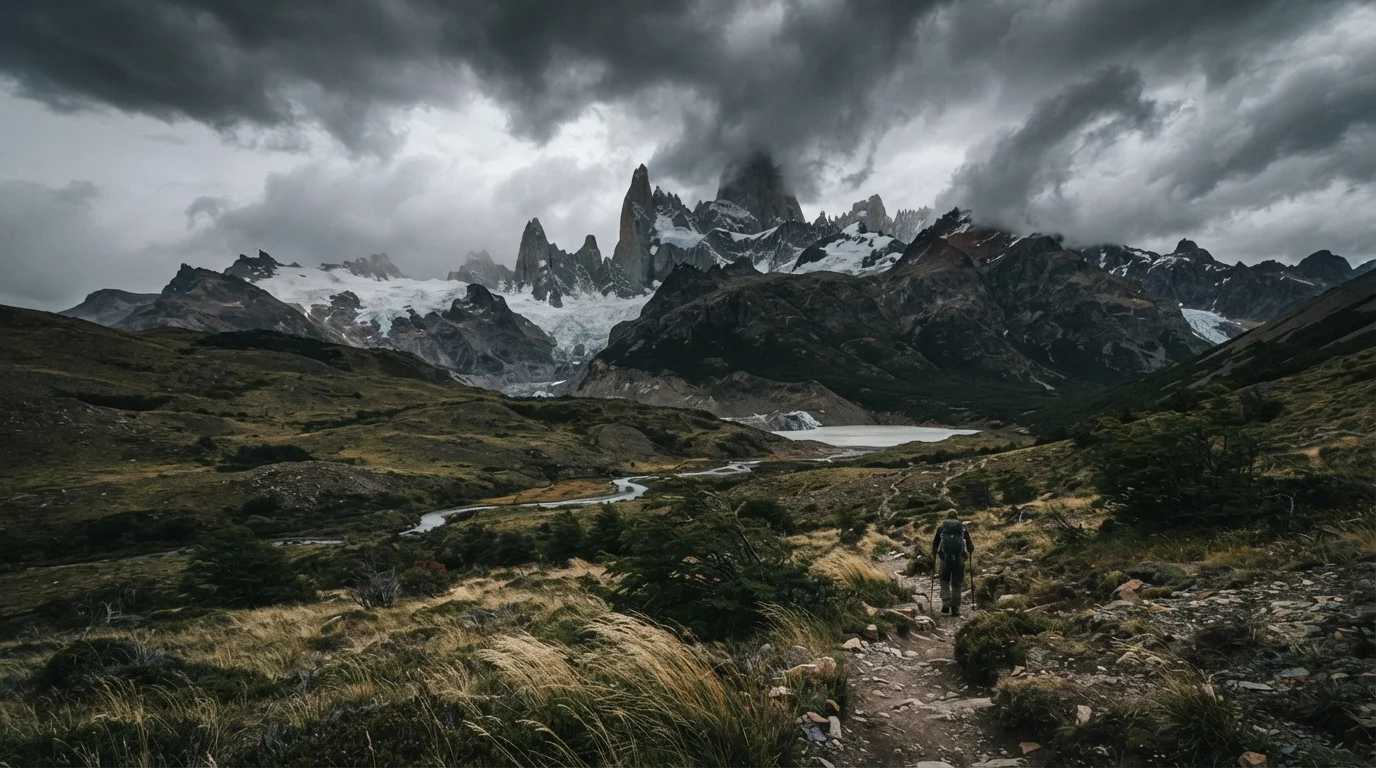
What Makes Patagonia Different From Other Remote Destinations
Patagonia occupies the southern tip of South America - shared between Chile and Argentina - and it earns its reputation as one of the planet's most spectacular wild places. Granite spires, calving glaciers, turquoise lakes, and wind-sculpted steppe create scenery that genuinely defies expectation. But unlike comparable adventure destinations, Patagonia combines extreme remoteness with a very short, heavily trafficked season. That combination means that every decision you postpone at home becomes a crisis in the field.
The region's logistics are genuinely unlike most places travelers encounter. Gateway cities like Punta Arenas (Chile) and El Calafate (Argentina) are themselves far-flung. From there, reaching the iconic parks requires additional internal flights, long bus rides on gravel roads, or ferry crossings. If you're new to building trip frameworks for complex destinations, start with a structured planning roadmap before diving into Patagonia-specific logistics.
3,000+
Miles of Chilean Patagonia coastline
Chile's Patagonian region spans an extraordinary length of South America's southern cone, making logistical planning far more complex than a typical destination.
~60 mph
Typical peak wind speeds on Patagonian steppe
Wind gusts in open areas of Torres del Paine routinely reach these speeds, according to park ranger advisories - strong enough to knock an unprepared hiker off balance.
Nov-Mar
Peak trekking season window
This narrow window concentrates thousands of trekkers into a handful of trails and refugios, making advance reservations months ahead practically essential.
The Most Common Mistakes Patagonia Travelers Make
The travelers who struggle most in Patagonia aren't reckless - they're simply applying planning assumptions that work elsewhere. Below are the mistakes that consistently derail trips to the region, and what to do instead.
Treating Patagonian weather as a scenic backdrop rather than an active hazard.
Why it happens: Photos of Patagonia showcase radiant blue skies and glittering glaciers, priming travelers for a visual feast rather than a meteorological reality check.
Assuming that booking flights to Punta Arenas or El Calafate counts as trip planning.
Why it happens: Travelers familiar with more developed destinations assume that accommodation and transport will be easy to arrange on the ground.
Drastically underestimating travel time between key sites.
Why it happens: Looking at a map, the distance between Torres del Paine and El Chaltén appears manageable. What maps don't show is unpaved ripio roads, border wait times, and limited bus schedules.
Carrying insufficient cash and assuming card payments will work everywhere.
Why it happens: Cashless travel works seamlessly in major cities, so many travelers don't realize how patchy connectivity is in small Patagonian towns and park service stations.
Skipping travel insurance or choosing a policy that excludes wilderness evacuation.
Why it happens: Travelers often view insurance as an administrative afterthought, selecting whichever policy is cheapest or bundled with a credit card.
Park Permits Sell Out Months Ahead
During peak season (November through March), trekking permits for circuits like the W Trek in Torres del Paine are released online and frequently sell out within minutes. If you arrive hoping to buy a permit at the gate, you will almost certainly be turned away. Book camping and refugio spots through the official park concessionaires as soon as your travel dates are confirmed.
Emergency Evacuation Is Not Free
Medical facilities in remote Patagonia are extremely limited. A helicopter evacuation from a backcountry trail can cost tens of thousands of dollars out of pocket. Comprehensive travel insurance that explicitly covers emergency evacuation and search-and-rescue is not optional here - confirm the policy covers wilderness regions in Chile and Argentina before you depart.
For travelers also considering pushing further south, the financial and logistical complexity only deepens - the hidden costs of an Antarctica trip follow a similar pattern of underestimated infrastructure challenges. Either way, thorough preparation is what separates a transformative journey from an expensive ordeal. The Travel Tips hub covers on-the-road problem-solving for trips like this one.
The content provided on our blog site traverses numerous categories, offering readers valuable and practical information. Readers can use the editorial team’s research and data to gain more insights into their topics of interest. However, they are requested not to treat the articles as conclusive. The website team cannot be held responsible for differences in data or inaccuracies found across other platforms. Please also note that the site might also miss out on various schemes and offers available that the readers may find more beneficial than the ones we cover.