

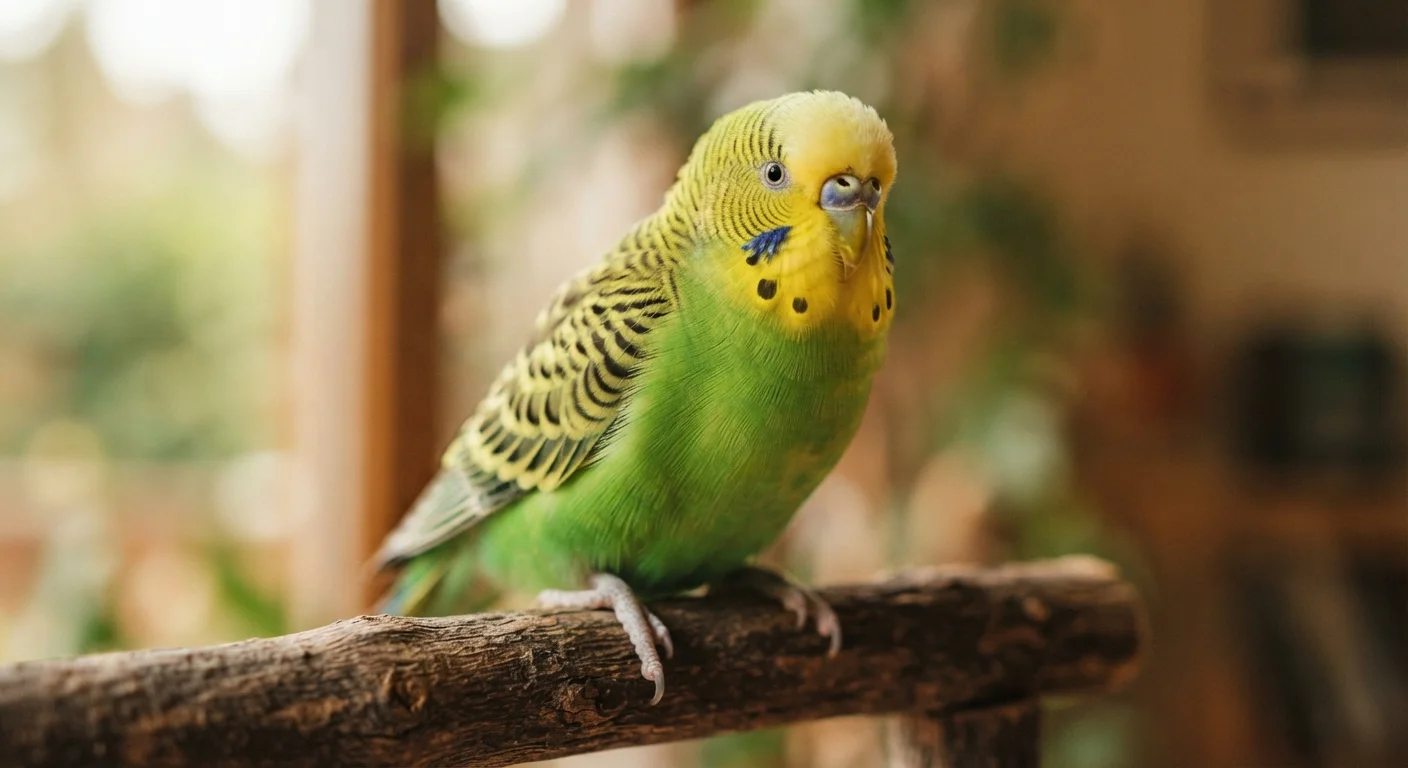
What Parakeet Sounds Really Mean
A parakeet's vocal range is surprisingly expressive. The most common sound - a gentle, rambling chatter or warble - signals a relaxed, happy bird that is entertaining itself or engaging with its environment. Think of it as background music the bird produces when all is well.
A sharp, single chirp repeated insistently is usually a contact call. Your bird is checking whether you're nearby. Responding with a soft whistle or a few words is enough to reassure it. Loud, prolonged screaming that doesn't settle after a brief response can indicate boredom, fear, or an environmental trigger like an unfamiliar sound outside.
A hissing sound - low and drawn out - is an unambiguous warning. The bird feels cornered or threatened and is telling you (or another animal) to back off. Respect this signal and give the bird space before attempting interaction.
Keep a Simple Behavior Log
Spend two minutes each morning noting your parakeet's chatter level, posture, and appetite. A brief mental or written baseline helps you spot genuine changes faster than relying on memory alone. Even a week of notes gives you a reliable reference point.
Reading Feathers and Body Posture
Feather position is one of the fastest health and mood indicators available to owners. A bird with feathers held tightly against its body is alert and possibly startled - a normal short-term response to sudden noise. Feathers that are smoothly held but slightly relaxed indicate a calm, comfortable bird.
Puffed-up feathers for an extended period, especially paired with a hunched posture and closed or half-closed eyes, are a yellow flag. Birds instinctively hide illness, so by the time these signs appear, the bird may already need veterinary attention. Much like learning to interpret warning signals in other systems - as outlined in resources on reading feline body language - recognizing subtle postural cues early makes a real difference.
Wing drooping that persists beyond the normal post-flight cool-down period is another signal worth monitoring. A bird may droop wings briefly when warm, but chronic drooping alongside other symptoms warrants a vet call.
Molting Can Mimic Illness Signals
Parakeets molt periodically, replacing old feathers with new ones. During a molt, birds may be quieter, slightly irritable, and less tolerant of handling than usual - all of which can resemble mild illness. Look for visible pin feathers (new feathers still in their protective sheath) to help distinguish a normal molt from a health concern. If in doubt, an avian vet can confirm which is occurring.
Social Signals and Bonding Behaviors
Parakeets are highly social birds, and many of their behaviors are directed at building or maintaining bonds. Preening - either self-grooming or grooming a companion - signals trust. If your bird attempts to preen your hair or eyebrows, it is treating you as a flock member.
Regurgitation toward a person or object is a strong affection display, not a cause for alarm on its own. The bird looks deliberate and calm, repeatedly bringing up a small amount of food. This differs clearly from illness-related vomiting, which involves head shaking and obvious distress.
Eye pinning - rapid contraction and dilation of the pupil - signals excitement or heightened arousal. It can accompany positive stimulation like a new toy or treat, but it can also signal agitation. Read it alongside posture: a bird with pinned eyes and relaxed feathers is excited; one with pinned eyes, puffed feathers, and a crouched stance may be about to bite.
Ensuring your bird's emotional needs are met also depends on good physical health. A well-nourished parakeet is more socially engaged and vocal - see our guidance on feeding pet birds well for a practical look at diet options.
~120
Distinct vocalizations documented in budgerigars
Research on budgerigar communication has identified a wide repertoire of distinct calls serving different social functions within flocks.
10-15 years
Average parakeet lifespan with proper care
Avian veterinary sources generally cite this range for well-cared-for budgerigars, underscoring the value of learning their behavioral signals early.
Top 3
Most popular pet bird in the United States
Parakeets consistently rank among the most commonly kept pet birds in US households, according to American Pet Products Association survey data.
When to Involve a Veterinarian
Some signals go beyond communication and cross into health territory. Tail bobbing that is persistent while the bird is at rest - not just after flight - can indicate respiratory effort. Combined with labored breathing or a clicking sound during inhalation, this warrants prompt veterinary attention.
Changes in droppings are another often-overlooked signal. Healthy parakeet droppings have a defined green-and-white portion with minimal liquid. Very watery droppings, discolored urates, or droppings with an unusual smell lasting more than a day are worth flagging to an avian-experienced vet.
Because parakeets mask illness instinctively, owners who know their bird's baseline - its normal chatter level, activity patterns, and typical posture - are far better positioned to notice when something is off. Building that familiarity through daily, calm observation is one of the most practical things any parakeet owner can do.
This article provides general educational information about parakeet behavior and is not a substitute for professional veterinary advice. If you are concerned about your bird's health, consult a qualified avian veterinarian.
Frequently Asked Questions
Parakeets are naturally most vocal at dawn and dusk, mirroring flock behavior in the wild. A burst of morning noise is typically a contact call - your bird is checking in with its flock, which includes you. Responding calmly and briefly usually satisfies the need.
Head bobbing in young birds is often a begging behavior carried over from chick development. In adult males it can be a courtship display directed at a mirror, toy, or person. Occasional head bobbing is normal; constant, uncontrollable bobbing could indicate a neurological issue worth discussing with a vet.
Puffed feathers alone aren't always alarming - birds fluff up briefly to regulate body temperature or during a quick nap. However, puffing that lasts several hours, combined with reduced activity, closed eyes, or loss of appetite, is a more serious warning sign that warrants a veterinary evaluation.
Soft beak grinding - a rhythmic clicking sound - is a well-recognized sign of contentment in parakeets, usually heard as the bird settles down for sleep. Loud, forceful beak snapping, by contrast, is a warning signal meaning the bird feels threatened or wants to be left alone.
Regurgitation directed at a person, mirror, or favorite toy is a bonding behavior - parakeets feed each other as a sign of deep affection. It looks deliberate and the bird appears calm. This differs from vomiting, which involves head shaking, wet feathers around the face, and visible distress.
The content provided on our blog site traverses numerous categories, offering readers valuable and practical information. Readers can use the editorial team’s research and data to gain more insights into their topics of interest. However, they are requested not to treat the articles as conclusive. The website team cannot be held responsible for differences in data or inaccuracies found across other platforms. Please also note that the site might also miss out on various schemes and offers available that the readers may find more beneficial than the ones we cover.