

Why Small Pets Are So Good at Looking Fine
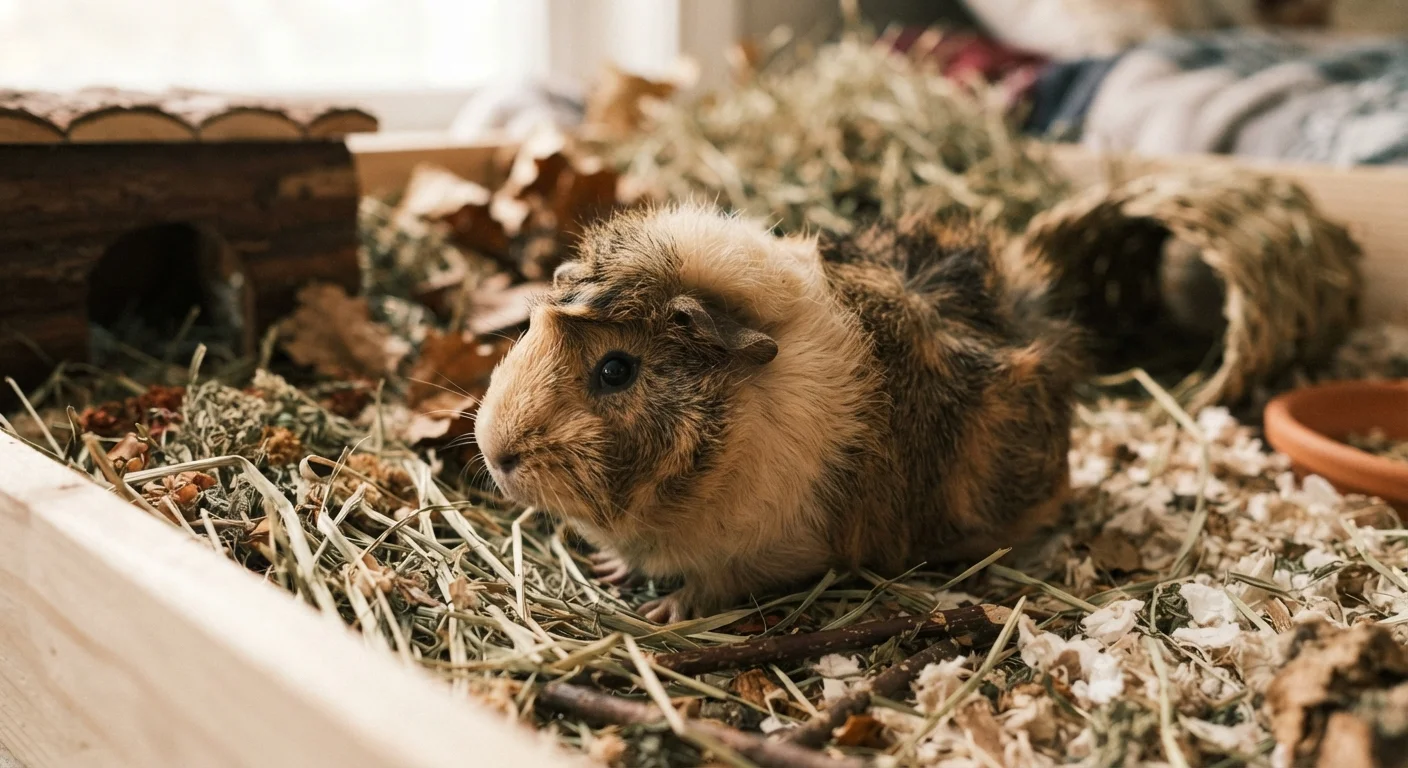
Rabbits, guinea pigs, hamsters, birds, and other small companion animals share an evolutionary trait that makes caring for them uniquely challenging: they are prey species, hardwired to suppress visible signs of weakness. In the wild, appearing sick invites predation. In your living room, that same instinct means a hamster or budgie can be seriously unwell before any obvious symptom surfaces.
This is fundamentally different from dogs and cats, where pain and illness tend to produce more recognisable signals. (For comparison, see how dogs show pain and how cats mask discomfort.) With small pets, the burden falls heavily on owners to know their animal's individual baseline - what's normal for this rabbit, this bird - so that subtle deviations register as cause for attention.
The signs below are among the most frequently overlooked. If you're still weighing whether a small pet is right for you, our overview of small pet ownership covers what the responsibility realistically involves.
Keep a simple health log
Jot down your small pet's daily eating, drinking, droppings, and activity level in a notes app or notebook. Even two weeks of baseline data makes it significantly easier to recognise when something has genuinely changed - and gives your vet useful context when you call.
This article is for general informational purposes only and is not a substitute for veterinary advice. If you are concerned about your pet's health, contact a qualified exotic-animal or small-mammal veterinarian promptly.
Signs Owners Commonly Miss
Reduced or absent appetite
Most small animals eat frequently throughout the day. A rabbit or guinea pig that skips meals, a hamster that ignores its food cache, or a bird picking at rather than consuming its food should raise immediate concern. For rabbits and guinea pigs especially, the gastrointestinal tract requires near-constant movement - going off food for even 12 hours can signal GI stasis or another serious condition requiring prompt veterinary attention.
For rabbits, skipping even one meal is reason enough to call a vet the same day.
Changes in droppings
Fecal output is one of the most reliable health indicators in small animals. Rabbit and guinea pig droppings should be consistent in size, shape, and number throughout the day. Small, misshapen, or dramatically reduced pellets - or a sudden absence of droppings - can indicate gut slowdown. In birds, changes in the droppings' urate (the white portion) or an unusually watery consistency may point to kidney, liver, or infectious issues. Make checking the enclosure floor a daily habit.
Checking droppings daily is one of the simplest and most effective health monitoring habits for small pet owners.
Unusual stillness or hunched posture
A healthy small animal is typically alert, curious, and moves purposefully. A pet that sits hunched in a corner, stays in one spot for unusually long periods, or fails to respond to normal stimuli is communicating discomfort through posture. In guinea pigs, a hunched stance with fluffed fur is a classic pain signal. In birds, sitting low on the perch with feathers puffed and eyes partially closed during active hours is a recognized sign that something is wrong.
Hunched posture and prolonged stillness are among the clearest non-verbal distress signals in small prey animals.
Laboured, rapid, or audible breathing
Breathing in healthy small mammals and birds should be quiet and barely visible at rest. Any clicking, wheezing, or rasping sound, noticeable movement of the tail or abdomen with each breath, or open-mouth breathing in a bird are signs that respiratory function is compromised. These symptoms can escalate rapidly and should be treated as urgent regardless of what other signs are or aren't present.
Audible breathing or open-mouth breathing in a bird is always a veterinary emergency - do not wait overnight.
Changes in grooming or coat condition
Most small pets are meticulous self-groomers. A rabbit with a dull, matted, or unkempt coat - especially around the hindquarters - may be unable to reach that area due to pain or obesity, or may be experiencing dental issues that make grooming uncomfortable. Guinea pigs with rough, patchy fur or visible hair loss may have mange, fungal infection, or a dietary deficiency. Conversely, excessive grooming or feather-plucking in birds can indicate skin irritation, nutritional problems, or significant psychological stress.
A sudden decline in coat or feather condition almost always has an underlying physical or environmental cause worth investigating.
Tooth grinding or teeth chattering
Rabbits and guinea pigs both produce tooth sounds, but context determines meaning. Soft tooth grinding (bruxism) in rabbits can indicate either contentment or pain - you can usually distinguish the two because a pain-grinding rabbit will also appear tense and uncomfortable rather than relaxed. Loud, forceful tooth grinding in guinea pigs is nearly always a sign of pain or distress. Dental disease is extremely common in both species and frequently goes undetected until it is advanced.
Dental disease in rabbits and guinea pigs is common and often silent until it becomes severe - tooth sounds are a key early clue.
Nasal or ocular discharge
Clear or coloured discharge from the nose or eyes is rarely normal in small pets. In rabbits, a wet or crusty nose and matted inner foreleg fur (from wiping the face) can indicate upper respiratory infection or, commonly, dental root problems pressing on the tear ducts. In rodents, a reddish discharge around the eyes or nose may look like blood but is often porphyrin - a pigment linked to stress, illness, or nutritional deficiency - and still warrants investigation. Any discharge in a bird around the nares (nostrils) should be assessed promptly.
Reddish discharge around a rodent's eyes is not always blood - but it is always a sign that something needs veterinary attention.
Finding the Right Veterinarian
Not every veterinary practice has experience treating rabbits, guinea pigs, birds, or other exotic small animals. Before you need urgent care, ask specifically whether the clinic has an exotic-animal or small-mammal specialist on staff. Professional organisations such as the Association of Exotic Mammal Veterinarians (AEMV) and the Association of Avian Veterinarians (AAV) maintain online directories that can help you locate qualified practitioners in your area.
What to Do When Something Feels Off
Because small pets decline quickly once illness progresses, a conservative rule applies: if a concerning sign persists for more than 24-48 hours - or if your pet stops eating, cannot move normally, or is breathing with visible effort - treat it as urgent and contact a vet that day. Not all general-practice veterinarians have training in exotic or small-mammal species, so it's worth identifying an appropriate local specialist before an emergency arises.
Building a trusting relationship with a timid small pet also helps in a practical health sense: an animal comfortable with gentle handling is easier to observe closely and transport to the vet with less stress - both for the pet and for you.
The content provided on our blog site traverses numerous categories, offering readers valuable and practical information. Readers can use the editorial team’s research and data to gain more insights into their topics of interest. However, they are requested not to treat the articles as conclusive. The website team cannot be held responsible for differences in data or inaccuracies found across other platforms. Please also note that the site might also miss out on various schemes and offers available that the readers may find more beneficial than the ones we cover.