

Why Litter Box Problems Are So Common
Inappropriate elimination - meaning a cat urinating or defecating outside the litter box - is one of the most frequently cited reasons owners surrender cats to shelters. In most cases, the behavior is entirely correctable once the underlying cause is identified. The challenge is that cats cannot tell you what's wrong, so owners often misread avoidance as spite or stubbornness when something more specific is happening.
Litter box problems typically fall into two categories: medical and behavioral. A cat that suddenly stops using the box should be evaluated by a veterinarian before any other changes are made. Urinary tract infections, kidney disease, and bladder crystals are common culprits, and treating the environment alone won't help if a medical issue is driving the behavior. Once health causes are ruled out, you can focus on the environmental and management factors described below.
For a broader picture of what cat ownership actually demands day to day, see our comprehensive cat ownership guide.
Not scooping the box frequently enough.
Why it happens: Owners often underestimate how sensitive cats are to odor. What smells faintly unpleasant to a human may be overwhelmingly off-putting to a cat with a sense of smell estimated to be 14 times stronger than ours.
Using a litter box that is too small for the cat.
Why it happens: Standard commercially sold boxes are often sized for average adult cats but don't accommodate large breeds or seniors who need more turning room. Owners purchase a box once and rarely revisit whether it still fits.
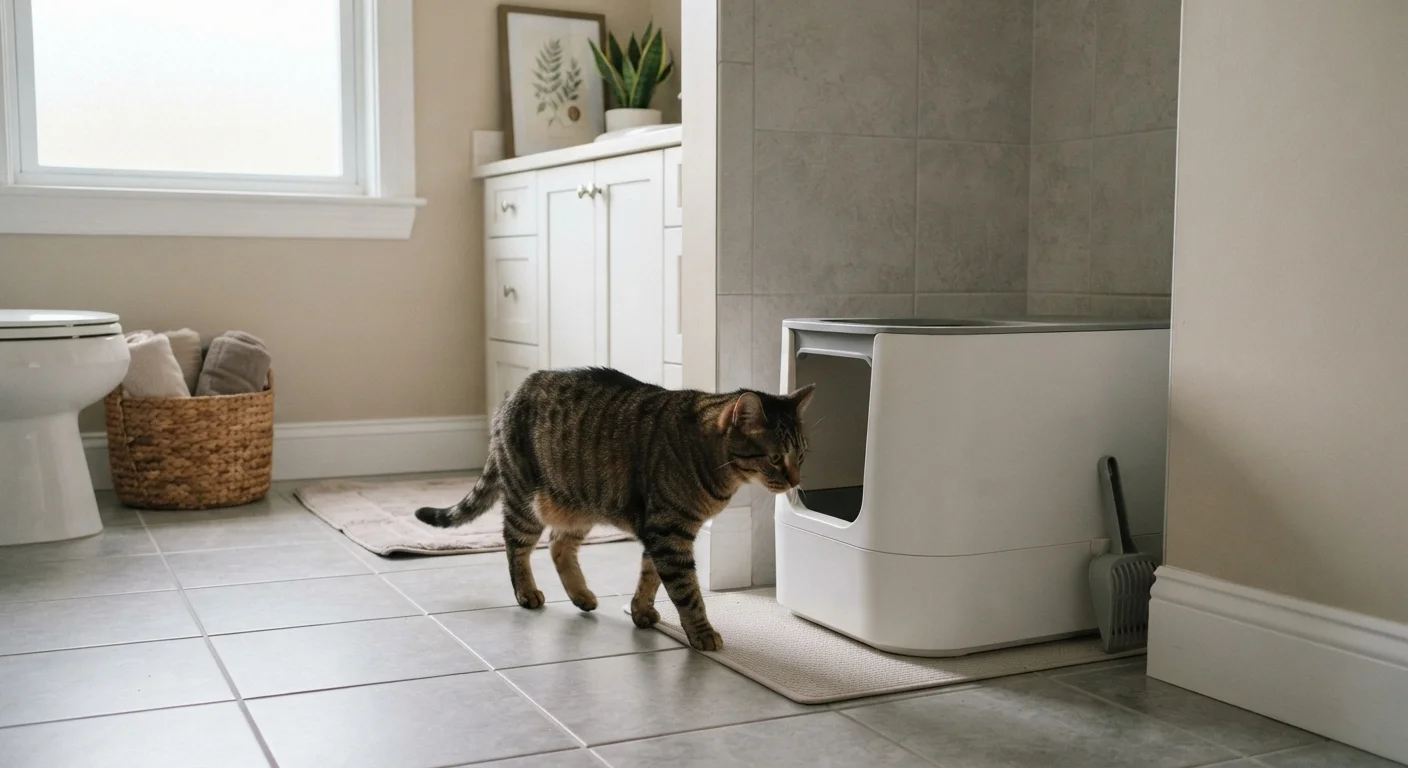
Using a covered or hooded box that traps odor inside.
Why it happens: Covered boxes appeal to owners because they contain smells and litter scatter. Many owners assume their cats share that preference, but the enclosed space concentrates ammonia and may feel like a trap to a cautious cat.
Switching litter types abruptly.
Why it happens: Owners change litters for many reasons - cost, scent preferences, sustainability - without realizing that cats can be strongly attached to the texture and smell of a familiar substrate.
Not having enough boxes for a multi-cat household.
Why it happens: Owners assume cats will share resources as dogs often do. Cats are territorial, and one cat can guard a box and effectively deny access to another.
Placing the box in a loud, high-traffic, or startling location.
Why it happens: Laundry rooms seem practical to owners - out of the way and easy to clean - but a washer or dryer that kicks on mid-use can startle a cat badly enough to create lasting aversion.
Setup and Maintenance Mistakes That Drive Cats Away
Even when a cat uses the box reliably, the setup may be creating unnecessary friction. Litter box rejection is rarely random - it usually traces back to one or more of the issues described in the mistakes section above.
10%
Cats affected by elimination problems
Veterinary behaviorists estimate that roughly 10% of cats develop a house-soiling problem at some point in their lives, making it one of the most common feline behavior concerns.
n+1
Recommended boxes per household
The n+1 rule - one box per cat plus one extra - is a standard recommendation from veterinary and feline behavior organizations to reduce territorial competition.
Location deserves particular attention in multi-story homes. Placing all boxes on one floor forces cats to travel farther than they may want to, especially older cats managing joint discomfort. Spread boxes across different areas of the home, and avoid placing them near food bowls or in high-traffic zones where the cat may feel exposed.
If you've recently added a second cat and started noticing avoidance, territorial tension at the box is a likely factor. Separate boxes in separate rooms reduce competition. For guidance on managing that transition, our multi-cat introduction guide covers the process in detail.
Sudden Changes Always Warrant a Vet Visit
If a cat that has used the box reliably begins avoiding it, straining, crying, or producing very small amounts of urine, do not wait to see if the behavior resolves on its own. Urinary blockages - particularly in male cats - can become life-threatening within hours. Contact your veterinarian promptly.
Tracking litter box behavior as part of a regular health routine is also worthwhile. Our monthly cat care checklist includes prompts for monitoring elimination habits so problems get caught early.
This article is for general informational purposes only and does not constitute veterinary advice. If your cat's litter box behavior changes suddenly or significantly, consult a licensed veterinarian to rule out underlying health conditions.
The content provided on our blog site traverses numerous categories, offering readers valuable and practical information. Readers can use the editorial team’s research and data to gain more insights into their topics of interest. However, they are requested not to treat the articles as conclusive. The website team cannot be held responsible for differences in data or inaccuracies found across other platforms. Please also note that the site might also miss out on various schemes and offers available that the readers may find more beneficial than the ones we cover.