

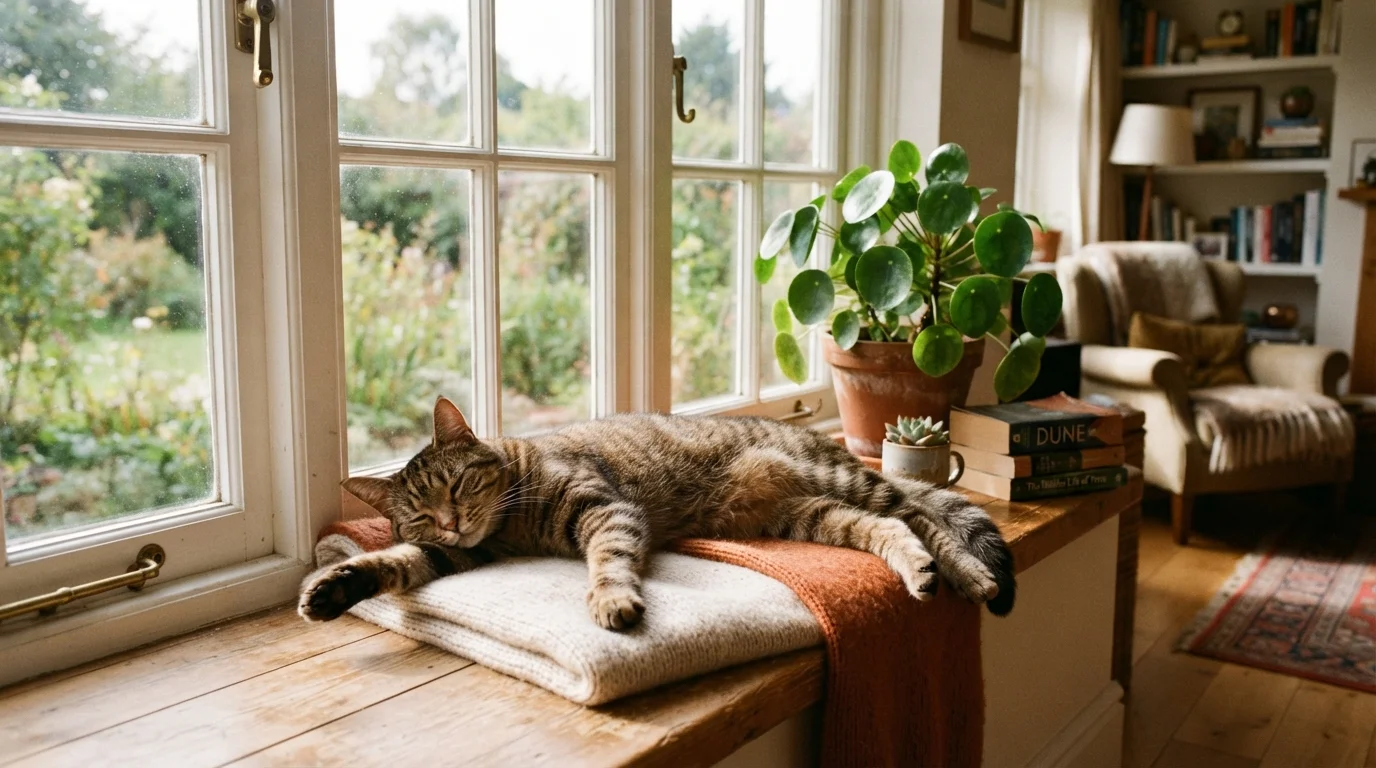
The Honest Reality of Cat Ownership
Cats carry a reputation for being low-maintenance pets. They use a litter box, groom themselves, and don't need walks. All of that is true - and it creates a gap between expectation and reality that catches many first-time owners off guard.
The truth is that cats have complex social, physical, and medical needs. They form genuine bonds with their owners, suffer when those bonds are neglected, and develop behavioral or health problems when their environment doesn't meet their instincts. Understanding what cat ownership actually involves - before a problem emerges - is the most useful thing any owner can do.
Compared to other companion animals, cats are often misunderstood rather than difficult. Our guide to small pet ownership offers a useful contrast for anyone weighing their options before committing.
74M+
Pet cats in the United States
According to the American Pet Products Association, cats are among the most commonly kept companion animals in U.S. households.
12-18 years
Typical indoor cat lifespan
Indoor cats live significantly longer on average than outdoor cats, largely due to reduced exposure to injury and infectious disease.
~58%
Cats classified as overweight or obese
The Association for Pet Obesity Prevention has consistently found that more than half of domestic cats in the U.S. carry excess body weight.
Understanding Feline Behavior
Cats communicate constantly - through posture, vocalizations, scent marking, and subtle facial cues. Misreading these signals is one of the most common sources of frustration for cat owners.
What Looks Like Misbehavior Usually Isn't
Scratching furniture is not spite - it's a normal way cats maintain their claws, stretch muscles, and mark territory. Knocking objects off surfaces may be attention-seeking or exploratory play. Hiding after a stressful event is a coping mechanism, not illness (though prolonged hiding warrants a vet visit). Understanding the function of a behavior is the first step toward redirecting it constructively.
Social Needs Are Real but Variable
Some cats are highly social and demand interaction; others are more reserved. Either personality type still needs daily engagement. A cat left alone for extended periods without stimulation can develop anxiety, compulsive behaviors, or depression. If your schedule is demanding, a second cat - properly introduced - can provide companionship, though not all cats welcome a feline housemate.
When a cat slow-blinks at you, try slow-blinking back - this is a recognized feline signal of comfort and trust, and mirroring it can strengthen your bond.
Research in animal behavior, including work published in peer-reviewed journals, supports that slow blinking is associated with positive emotional states in cats and can be used intentionally by owners.
Place scratching posts directly next to the furniture your cat already scratches - location matters as much as the post itself.
Cats scratch to mark territory as well as maintain claws, so they're drawn back to surfaces they've already claimed. Redirecting at the exact spot is far more effective than placing posts in low-traffic corners.
Nutrition and Feeding Basics
Cats are obligate carnivores, meaning their bodies require nutrients found only in animal tissue. Unlike dogs or humans, cats cannot synthesize taurine, arachidonic acid, or vitamin A from plant sources - these must come from their diet.
Wet vs. Dry Food
Both wet and dry food can support a healthy cat when the food is nutritionally complete and balanced - look for an AAFCO nutritional adequacy statement on the label. Wet food provides significant moisture, which matters because cats have a low thirst drive and are prone to chronic dehydration when eating only dry kibble. Cats with kidney disease or urinary tract conditions particularly benefit from increased water intake.
Portion Control and Obesity
Free-feeding (leaving food out all day) is convenient but commonly leads to overeating. Overweight cats face elevated risks for diabetes, joint disease, and hepatic lipidosis (fatty liver disease). Scheduled meals with measured portions - guided by your veterinarian's recommendation for your cat's age and weight - are generally a better approach.
Transition Foods Gradually
When switching your cat to a new food, mix increasing proportions of the new food with the old over 7-10 days. Abrupt changes frequently cause digestive upset and food refusal. Cats can also develop strong texture preferences early in life, so variety in kittenhood can help prevent pickiness later.
Health, Veterinary Care, and Prevention
Cats are skilled at masking illness - a survival instinct inherited from wild ancestors. By the time a cat appears visibly unwell, a condition is often well advanced. This makes routine preventive care especially important.
Core preventive measures include annual wellness exams, core vaccinations, parasite prevention (fleas, ticks, heartworm in endemic areas), and dental care. Senior cats - generally those over age 10 - typically benefit from biannual checkups, as age-related conditions like hyperthyroidism, kidney disease, and hypertension become more common. Our detailed overview of routine veterinary care for cats walks through what to expect at each life stage.
Never Skip Dental Care
Dental disease is one of the most prevalent - and most overlooked - health problems in domestic cats. Periodontal disease can lead to chronic pain, tooth loss, and systemic infection affecting the heart and kidneys. Regular dental exams, professional cleanings as recommended by your vet, and at-home toothbrushing can prevent significant suffering.
Spaying or neutering is recommended by most veterinary organizations for cats not intended for responsible breeding. It eliminates the risk of uterine infections and reduces the likelihood of certain cancers, in addition to preventing unwanted litters.
Creating a Safe, Enriching Environment
An indoor-only lifestyle significantly extends a cat's life expectancy by eliminating risks from traffic, predators, infectious disease, and injury. However, indoor cats rely entirely on their owners to provide the mental and physical stimulation that outdoor life would naturally supply.
Environmental Enrichment Essentials
- Vertical space: Cat trees, shelves, and window perches satisfy a cat's drive to climb and observe from height.
- Scratching surfaces: Provide both vertical and horizontal scratching posts in locations your cat already uses.
- Hiding spots: Boxes, covered beds, and elevated perches give cats a sense of security and control.
- Interactive play: Wand toys, puzzle feeders, and rotating toy variety engage predatory instincts and prevent boredom.
Hazard-Proofing
Many common household plants - including lilies, pothos, and sago palm - are toxic to cats. Certain human foods (onions, garlic, xylitol, grapes) are also harmful. Medications left accessible, open washing machines, and unsecured blind cords present additional risks. A cat-safe home requires a deliberate audit, especially before bringing a new cat home.
Indoor vs. Outdoor: A Nuanced Topic
While indoor-only living offers the longest life expectancy, some owners in lower-risk environments provide supervised outdoor access through enclosed catios or leash training. If outdoor access is part of your plan, discuss parasite prevention, vaccination schedules, and safety measures with your veterinarian before implementation.
The Long-Term Commitment
The average indoor cat lives between 12 and 18 years, with many reaching their early twenties. That's a meaningful share of an adult human's life - spanning career changes, moves, relationships, and family shifts. Before acquiring a cat, it's worth thinking honestly about those transitions and how the cat will be cared for through them.
Daily care involves feeding, litter box cleaning (once or twice daily to prevent avoidance behavior and health issues), grooming (especially for long-haired breeds), playtime, and health monitoring. Our monthly cat care checklist offers a practical recurring framework to keep all of these tasks on track.
Financial readiness matters too. Routine care - food, litter, annual vet visits, preventive medications - adds up consistently. Unexpected veterinary costs for illness or injury can be substantial. Pet insurance or a dedicated savings fund is worth considering before an emergency rather than after.
Cats are not decorative or self-running. They are sentient animals with preferences, fears, and the capacity to suffer. The owners who find cat ownership most rewarding are typically those who approach it with curiosity and a willingness to learn - not assumptions about what a cat should be.
“Cats are not small dogs. They have evolved as both predator and prey, and that dual nature shapes everything about how they think, move, and communicate. Owners who learn to read that context are far more successful - and so are their cats.”
— Feline Behavior Advisory Panel, Composite guidance from veterinary behaviorists specializing in companion feline care
This article is for general informational purposes only and does not constitute veterinary or medical advice. Always consult a licensed veterinarian for guidance specific to your cat's health and needs.
The content provided on our blog site traverses numerous categories, offering readers valuable and practical information. Readers can use the editorial team’s research and data to gain more insights into their topics of interest. However, they are requested not to treat the articles as conclusive. The website team cannot be held responsible for differences in data or inaccuracies found across other platforms. Please also note that the site might also miss out on various schemes and offers available that the readers may find more beneficial than the ones we cover.