

Our Verdict
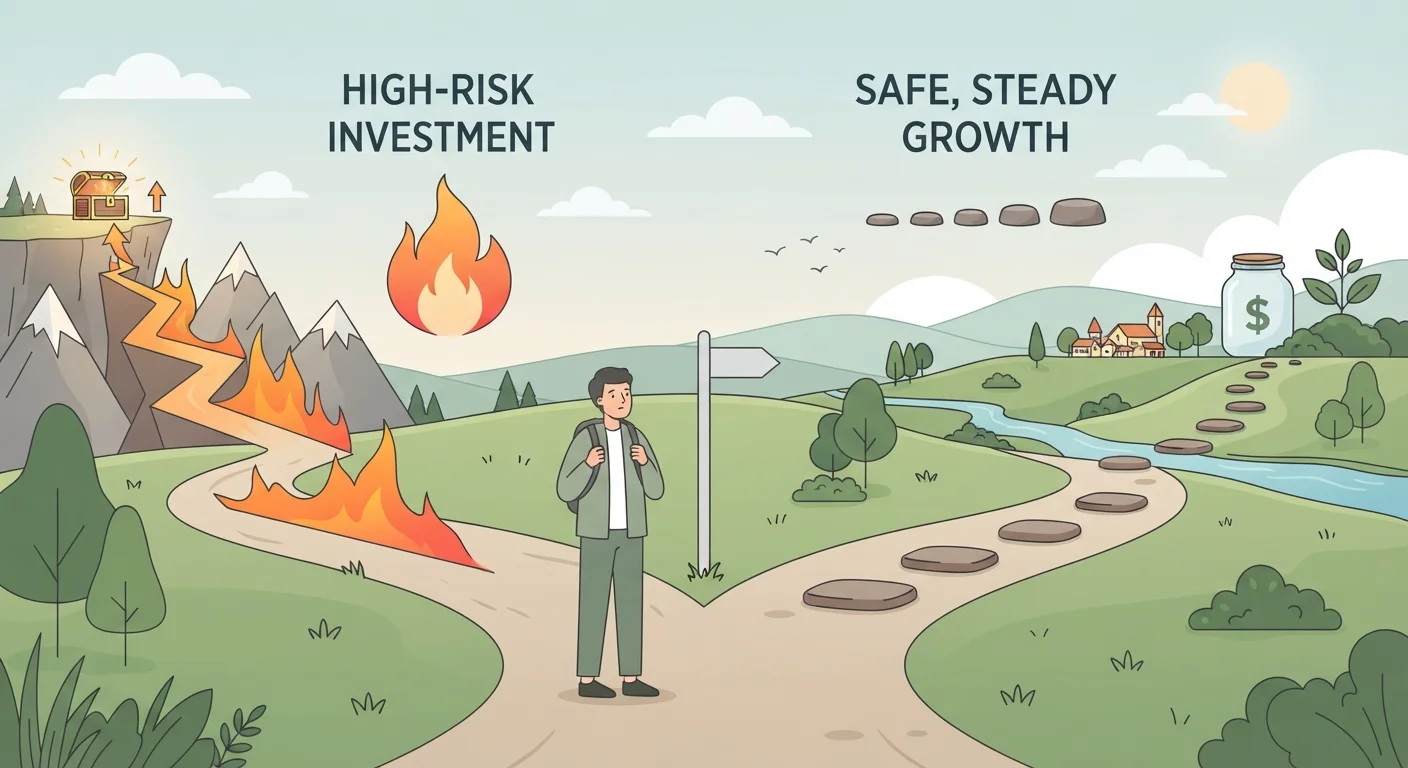
If saving on interest is your top priority and you can stay disciplined without frequent wins, focusing on high-interest debt first will cost you less overall. If you need visible progress to stay on track, clearing smaller balances first can keep you motivated long enough to finish the job. The best strategy is ultimately the one you'll stick with consistently.
| Best for | Recommended |
|---|---|
| Those who want to minimize total interest paid | High-interest debt first (avalanche) |
| Those who need early wins to stay motivated | Smallest balance first (snowball) |
| Those managing many small accounts alongside one large high-rate balance | Hybrid approach - clear small balances first, then switch to avalanche |
The Core Idea Behind Each Strategy
When you have multiple debts, you face a choice: where does extra money go each month? Two widely discussed approaches answer that question differently.
High-interest debt first - often called the avalanche method - directs extra payments toward whichever debt carries the highest annual percentage rate (APR). Once that's gone, you move to the next highest rate, and so on. The logic is purely mathematical: interest is the cost of borrowing, so eliminating the most expensive debt first reduces what you pay overall.
Smallest balance first - the snowball method - ignores interest rates and targets the debt with the lowest outstanding balance. Pay it off, gain a sense of accomplishment, and roll that freed-up payment into the next smallest debt. The logic here is behavioural: momentum matters as much as math.
For a deeper look at how each method works mechanically, see our full avalanche vs. snowball comparison.
This article is for general informational purposes only and does not constitute personalised financial advice. Consider consulting a qualified financial professional about your specific situation.
How They Compare Across Key Factors
Choosing between these strategies involves weighing several factors - total cost, time to payoff, and psychological staying power. The table below breaks down where each approach stands.
| High-Interest First (Avalanche) | Smallest Balance First (Snowball) | |
|---|---|---|
| Primary focus | Highest APR debt | Lowest outstanding balance |
| Total interest paid | Lower - often significantly | Higher - interest compounds longer |
| Time to first payoff | Longer if high-rate debt is large | Faster - smallest balance clears quickly |
| Motivational impact | Slower visible progress early on | Frequent wins sustain momentum |
| Complexity | Requires tracking APRs | Simple - sort by balance size |
| Best suited for | Disciplined, math-focused payors | Those who need early milestones |
One important note: both strategies share a foundation. You must continue making at least the minimum payment on every debt while directing any extra money toward your target account. Skipping minimums leads to late fees and credit damage that undermine either approach. For broader guidance on building a plan that holds up, see the core principles of sound debt repayment.
The Real Cost of Choosing Emotional Wins Over Math
~$1,000+
Potential extra interest with snowball vs. avalanche
Estimates from financial education analyses suggest the interest difference between methods can exceed $1,000 depending on balances, rates, and repayment timelines.
3 in 10
US adults carrying credit card debt month to month
Federal Reserve survey data consistently finds a significant share of US cardholders carry balances rather than paying in full each cycle.
Research in behavioural economics - including work published by academics studying consumer debt - suggests that people are more likely to follow through on debt payoff when they experience early milestones. In practice, this means the snowball method's psychological edge is real, not imaginary.
That said, the interest savings from the avalanche approach are also real. On a mix of debts that includes a credit card charging 24% APR alongside a personal loan at 9%, the higher-rate card compounds fast. Every month you delay paying it down, more of your money goes to the lender rather than reducing your principal.
The honest framing: a mathematically superior plan you abandon after three months beats nothing - but it doesn't beat a slightly less optimal plan you maintain for two years. Understanding why minimum payments extend debt far longer than most expect can sharpen your resolve with either method.
List All Debts Before You Start
Write out every debt you owe with its balance, minimum payment, and APR. This single step makes it far easier to compare both strategies in your own situation. You may find one method is a clear winner once you see the actual numbers side by side. A simple spreadsheet or even a notepad works fine.
Picking the Right Fit - and Staying the Course
A few honest questions can help you decide:
- How many debts do you have? If several small balances are cluttering your budget, clearing them fast (snowball) simplifies your finances quickly.
- How high are your interest rates? If your highest-rate debt is significantly more expensive than the others, the cost of ignoring it grows each month.
- What's your track record? If past debt payoff attempts stalled, consider whether you need more visible progress.
Some people use a hybrid: knock out one or two small balances first for a motivational boost, then switch to targeting the highest interest rate. This isn't a textbook strategy, but it's a practical acknowledgment that both math and psychology matter.
Before committing to either method, it's also worth reviewing where debt payoff fits within your broader financial picture. If you have no emergency savings, a single unexpected expense can force you back into debt. The question of whether to build an emergency fund or pay down debt first deserves its own consideration alongside your payoff strategy.
The content provided on our blog site traverses numerous categories, offering readers valuable and practical information. Readers can use the editorial team’s research and data to gain more insights into their topics of interest. However, they are requested not to treat the articles as conclusive. The website team cannot be held responsible for differences in data or inaccuracies found across other platforms. Please also note that the site might also miss out on various schemes and offers available that the readers may find more beneficial than the ones we cover.