

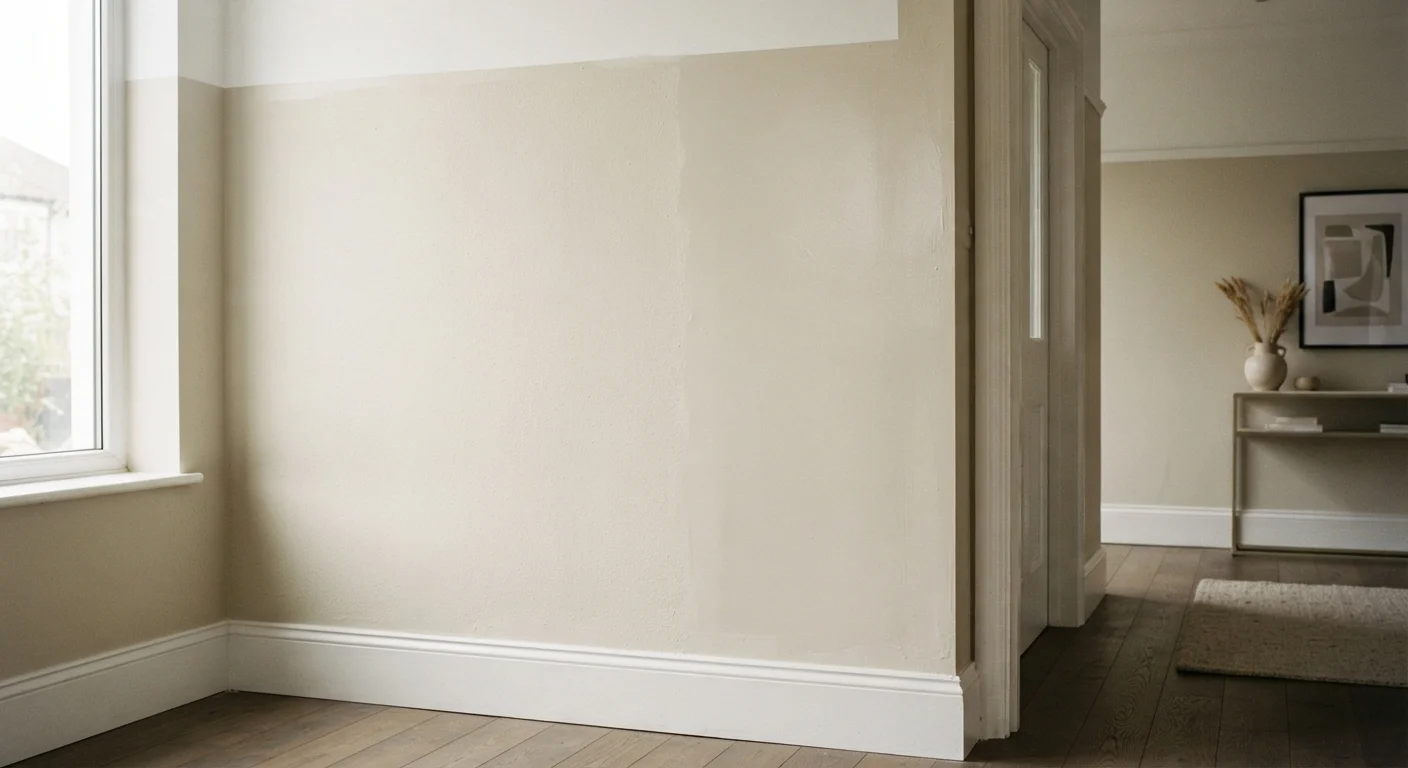
Why Sheen Level Matters as Much as Colour
Most homeowners spend hours choosing a colour and seconds choosing a finish - then wonder why a room feels slightly off after painting. Paint sheen (also called finish or gloss level) controls how much light a surface reflects, how visible imperfections are, and how well the wall holds up to cleaning. Get the sheen wrong, and even a perfectly chosen colour can look flat in the wrong way or turn a bathroom ceiling into a glare problem.
Paint sheens run on a spectrum from zero reflectivity to high gloss. The four finishes most homeowners will encounter are flat, eggshell, satin, and semi-gloss. Each sits at a different point on that spectrum and comes with distinct trade-offs between durability, cleanability, and appearance. Understanding those trade-offs - not just picking a colour - is what separates a paint job that lasts from one you redo in two years.
| Lowest sheen finish | Flat / Matte |
| Best finish for ceilings | Flat |
| Most versatile all-room finish | Eggshell |
| Best finish for kitchens and bathrooms | Satin or Semi-Gloss |
| Standard trim finish | Semi-Gloss |
| Sheen levels (low to high) | Flat → Eggshell → Satin → Semi-Gloss → Gloss |
Before diving into each finish, it helps to know that sheen level also affects how a colour reads. Higher-gloss paints tend to intensify colour slightly due to the reflective surface. If you're also working through your colour direction, see our guide on warm tones vs. cool tones - sheen and colour temperature interact more than most people expect.
The Four Main Finishes, Defined
Flat (Matte)
Flat paint reflects almost no light, giving walls a chalky, velvety appearance that hides surface imperfections particularly well. Brush marks, roller lines, and minor drywall texture all tend to disappear under a flat finish. The downside is durability: flat paint scuffs and marks easily and resists scrubbing poorly. It works well on ceilings - where durability matters less and hiding lap marks matters more - and in low-traffic adult bedrooms or formal dining rooms.
Eggshell
Eggshell adds a slight, barely-there sheen that resembles - as the name suggests - the surface of an eggshell. It hides imperfections almost as well as flat paint but tolerates gentle wiping far better. This balance makes eggshell one of the most versatile finishes for living rooms, hallways, and adult bedrooms where light traffic is expected and occasional spot-cleaning is realistic.
Sheen
The degree of light reflectivity in a dried paint film. Higher sheen means more light bounces off the surface, making the finish look glossier and more durable.
Flat (Matte) Finish
A paint finish with little to no reflectivity. It absorbs light rather than reflecting it, which minimises the appearance of surface imperfections but offers limited washability.
Eggshell Finish
A low-sheen paint finish that offers slightly more reflectivity than flat. It balances imperfection-hiding with basic cleanability, making it suitable for moderate-traffic areas.
Satin Finish
A mid-range sheen with a soft, pearl-like appearance. Satin is noticeably washable and moisture-resistant, making it practical for kitchens, bathrooms, and high-traffic rooms.
Semi-Gloss Finish
A high-reflectivity paint finish used where durability and cleanability are priorities. It is the standard choice for trim, doors, and wet-area walls, but highlights surface imperfections clearly.
Paint Film
The dried layer of paint that forms on a surface after application. Its thickness, composition, and sheen level all affect how the finished surface looks and performs.
Satin
Satin has a soft, pearl-like sheen that's noticeably reflective in direct light. It handles moisture and cleaning better than eggshell, making it a popular choice for kitchens, bathrooms, kids' rooms, and laundry rooms. The trade-off: application mistakes show more clearly, and touch-ups can look patchy if you're not painting an entire wall. Good surface prep and consistent application technique matter more at this sheen level. For a strong foundation before any finish goes on, see our article on surface prep for interior walls - it covers the cleaning and priming steps that make any sheen perform at its best.
Semi-Gloss
Semi-gloss is highly reflective and highly durable. It resists moisture, grease, and repeated scrubbing, making it the standard choice for trim, baseboards, door frames, and window casings. It's also used on bathroom and kitchen walls where maximum cleanability is the priority. Its reflectivity means it will highlight every surface flaw, so it requires smooth, well-prepared surfaces. Applying semi-gloss to a rough or patchy wall is one of the most common paint mistakes homeowners make.
Matching Finish to Room: A Practical Reference
Choosing a finish by room function - not personal preference alone - gives you results that actually hold up. Here's how to think through each space:
- Ceilings: Flat or matte, almost universally. Sheen on a ceiling amplifies light in unflattering ways and shows roller marks.
- Living rooms and dining rooms: Eggshell for most walls. Consider satin if the room sees a lot of activity or if children are in the home.
- Bedrooms: Flat or eggshell. Low-traffic adult spaces benefit from the richer, softer look of flat; eggshell adds just enough durability for occasional wiping.
- Kitchens: Satin or semi-gloss. Cooking splatter and steam require a washable surface. Semi-gloss on upper cabinets and tile surrounds is common.
- Bathrooms: Satin or semi-gloss to handle humidity and cleaning. Flat paint in a bathroom risks mold growth behind the paint film over time.
- Hallways and kids' rooms: Satin is the practical workhorse - it scrubs clean and stands up to repeated contact.
- Trim, doors, and baseboards: Semi-gloss is standard. It provides crisp definition against lower-sheen walls and withstands knocks and scuffs.
Touch-Ups Are Harder With Higher Sheens
The shinier the finish, the more noticeable a patch repair will look if you don't repaint the entire wall section. Semi-gloss and satin reflect light in ways that make small touch-ups stand out, especially if the original paint has aged or faded. Keep leftover paint from each project labelled by room and finish to minimise this problem. When in doubt, plan to repaint wall-to-wall rather than spot-touching high-sheen surfaces.
If you're decorating a room from scratch and haven't settled on a full design direction yet, our room decorating starting point walks through how to layer decisions - colour, finish, and furnishings - in an order that reduces costly backtracking.
The content provided on our blog site traverses numerous categories, offering readers valuable and practical information. Readers can use the editorial team’s research and data to gain more insights into their topics of interest. However, they are requested not to treat the articles as conclusive. The website team cannot be held responsible for differences in data or inaccuracies found across other platforms. Please also note that the site might also miss out on various schemes and offers available that the readers may find more beneficial than the ones we cover.