

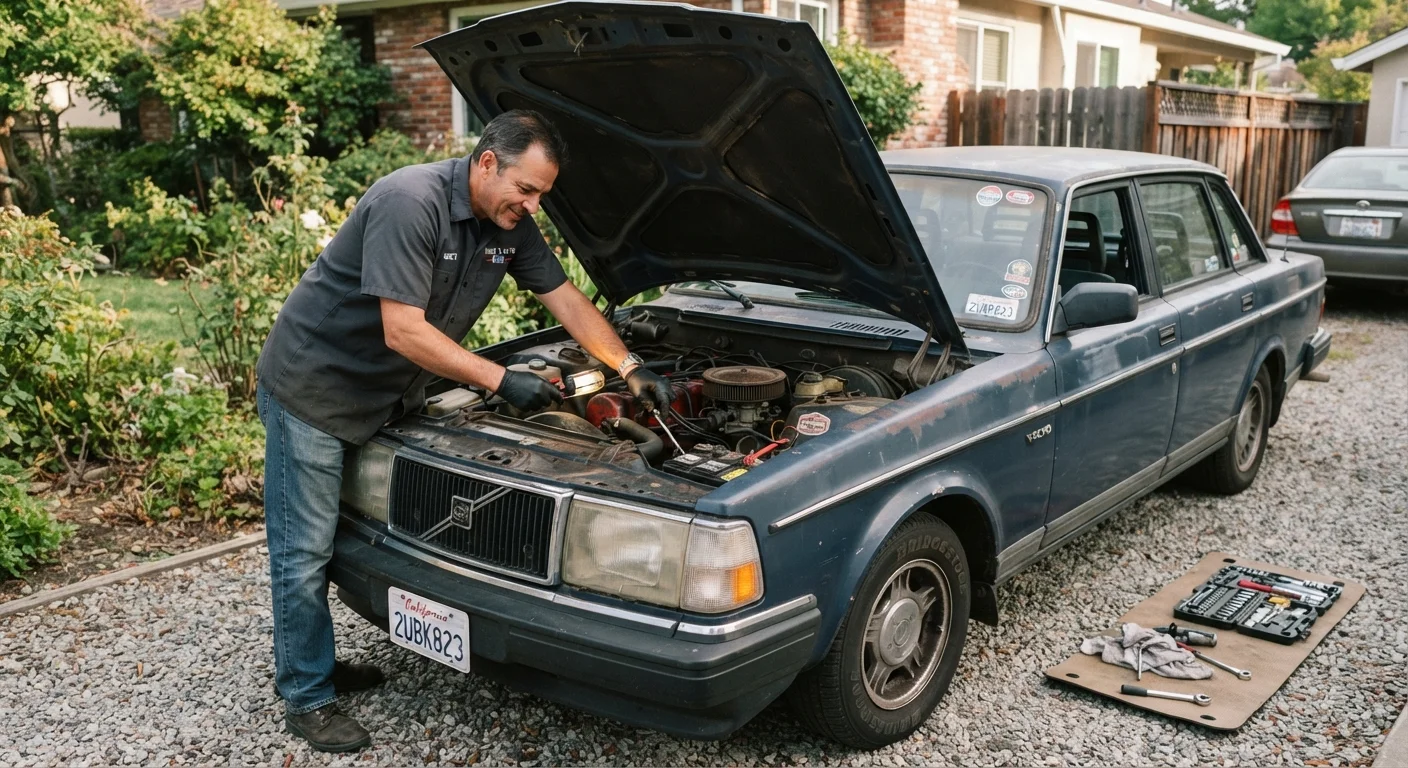
Why High-Mileage Vehicles Need a Different Approach
A vehicle crossing the 100,000-mile mark isn't a lost cause - it's a machine that simply needs more deliberate attention. Internal tolerances widen over time, seals lose elasticity, and fluids degrade faster than they do in newer engines. The good news is that most of what keeps a high-mileage car running comes down to consistent, affordable habits rather than expensive overhauls.
Understanding the financial logic of high-mileage ownership helps frame why these habits matter: the cost of proactive maintenance is typically a fraction of the repair bills - or replacement costs - that follow neglect. Below are the practices that experienced mechanics consistently point to as the most impactful for aging vehicles.
Switch to a High-Mileage Engine Oil Formulation
Standard motor oil does the job in newer engines, but high-mileage formulations - typically labeled for vehicles over 75,000 miles - contain conditioners that help revitalize aging seals and reduce oil consumption. These formulations are generally slightly thicker and include additives designed to compensate for wider tolerances found in older engines.
Beyond the oil type, consider shortening your change intervals. Many manufacturer schedules assume a newer, tighter engine. A qualified mechanic can advise whether a more frequent change interval makes sense for your specific vehicle's condition and usage patterns.
High-mileage oil formulations help condition aging seals and manage wider internal tolerances.
Monitor and Flush the Cooling System Regularly
Engine overheating is one of the most destructive events a high-mileage vehicle can experience. Coolant degrades over time, becoming acidic and losing its ability to protect metal components from corrosion. On older vehicles, this degradation happens faster and the consequences - a warped cylinder head, a blown gasket - are disproportionately expensive.
Check coolant level and condition at every oil change. If the fluid looks rust-colored or murky rather than bright green, orange, or pink depending on type, it's past due for a flush. Have a mechanic inspect hoses and the radiator cap at the same time, since both become brittle and less reliable with age.
Degraded coolant turns acidic, silently corroding the very components it's meant to protect.
Don't Ignore Transmission Fluid
Transmission fluid is often overlooked because it doesn't need attention as frequently as engine oil - but in a high-mileage vehicle, it's critical. Old or contaminated fluid causes heat buildup, accelerated wear on clutch packs, and shifting problems that can eventually require a full transmission rebuild or replacement.
Check your owner's manual for the recommended service interval, then consider having the fluid inspected more frequently if the vehicle has been used heavily or you've noticed any hesitation or rough shifting. A fluid color check - healthy transmission fluid is typically red or pink, not brown or burnt-smelling - is a quick early warning tool.
Burnt or contaminated transmission fluid quietly accelerates wear that leads to costly rebuilds.
Inspect and Replace Belts, Hoses, and Seals Proactively
Rubber components degrade with age regardless of mileage, and on a high-mileage vehicle, many of these parts are well into their second life. Timing belts on interference engines - those where the pistons and valves share space - can cause catastrophic engine damage if they snap. Most manufacturers specify a replacement interval; treat it as a firm deadline, not a suggestion.
Similarly, inspect coolant hoses, serpentine belts, and valve cover gaskets for cracking, swelling, or weeping oil. These are relatively inexpensive to replace proactively but extremely disruptive if they fail on the road. A mechanic doing any major service should include a visual check of these components as a matter of course.
A snapped timing belt on an interference engine can mean total engine failure in seconds.
Keep Up with Brake System Maintenance
Brake fluid absorbs moisture over time, which lowers its boiling point and can lead to spongy pedal feel or fade under hard braking. Many drivers on high-mileage vehicles have never flushed their brake fluid - a straightforward service that a shop can complete quickly.
Beyond fluid, inspect brake pads and rotors at every tire rotation. High-mileage vehicles may have had pads replaced several times, but rotors thin with each resurface and eventually need replacement too. Calipers can also seize on older vehicles, causing uneven wear and pulling. Catching these issues early keeps repair costs manageable and, more importantly, keeps stopping distances predictable.
Moisture-contaminated brake fluid lowers its boiling point, reducing braking reliability under pressure.
Address Minor Issues Before They Compound
On a high-mileage vehicle, small problems have a particular tendency to cascade. An ignored oil leak stresses the engine; a slightly misfiring cylinder strains the catalytic converter; a failing oxygen sensor causes the engine to run rich, fouling spark plugs ahead of schedule. The interconnected nature of vehicle systems means that deferred maintenance rarely stays contained.
Keeping a simple service log - dates, mileage, and what was done - helps you spot patterns and stay ahead of intervals. It's also useful context for any mechanic you work with. For broader habits that support long-term reliability, consistent ownership habits make a measurable difference over time, regardless of how many miles are already on the clock.
Deferred maintenance rarely stays contained - small faults in aging vehicles compound quickly.
Putting It All Together
None of these habits requires advanced mechanical skill. Most are a matter of staying consistent, keeping a simple log of service dates, and being willing to address minor issues promptly rather than hoping they'll resolve themselves. Pair these habits with a seasonal maintenance calendar to make sure nothing slips through the cracks as conditions change throughout the year.
Before any longer drive, it's also worth running through a pre-journey vehicle check - high-mileage cars benefit most from these reviews, since small issues can escalate under the sustained demands of highway travel. Treat your vehicle as a long-term investment and it can continue to serve you reliably well beyond what many drivers expect.
Keep a Simple Vehicle Service Log
A basic notebook or phone note tracking service dates, mileage, and what was done gives you - and any mechanic - an accurate picture of your vehicle's history. This is especially valuable on high-mileage vehicles where maintenance gaps are easy to miss. It also helps you identify recurring issues early, before they escalate into larger repairs.
The content provided on our blog site traverses numerous categories, offering readers valuable and practical information. Readers can use the editorial team’s research and data to gain more insights into their topics of interest. However, they are requested not to treat the articles as conclusive. The website team cannot be held responsible for differences in data or inaccuracies found across other platforms. Please also note that the site might also miss out on various schemes and offers available that the readers may find more beneficial than the ones we cover.