

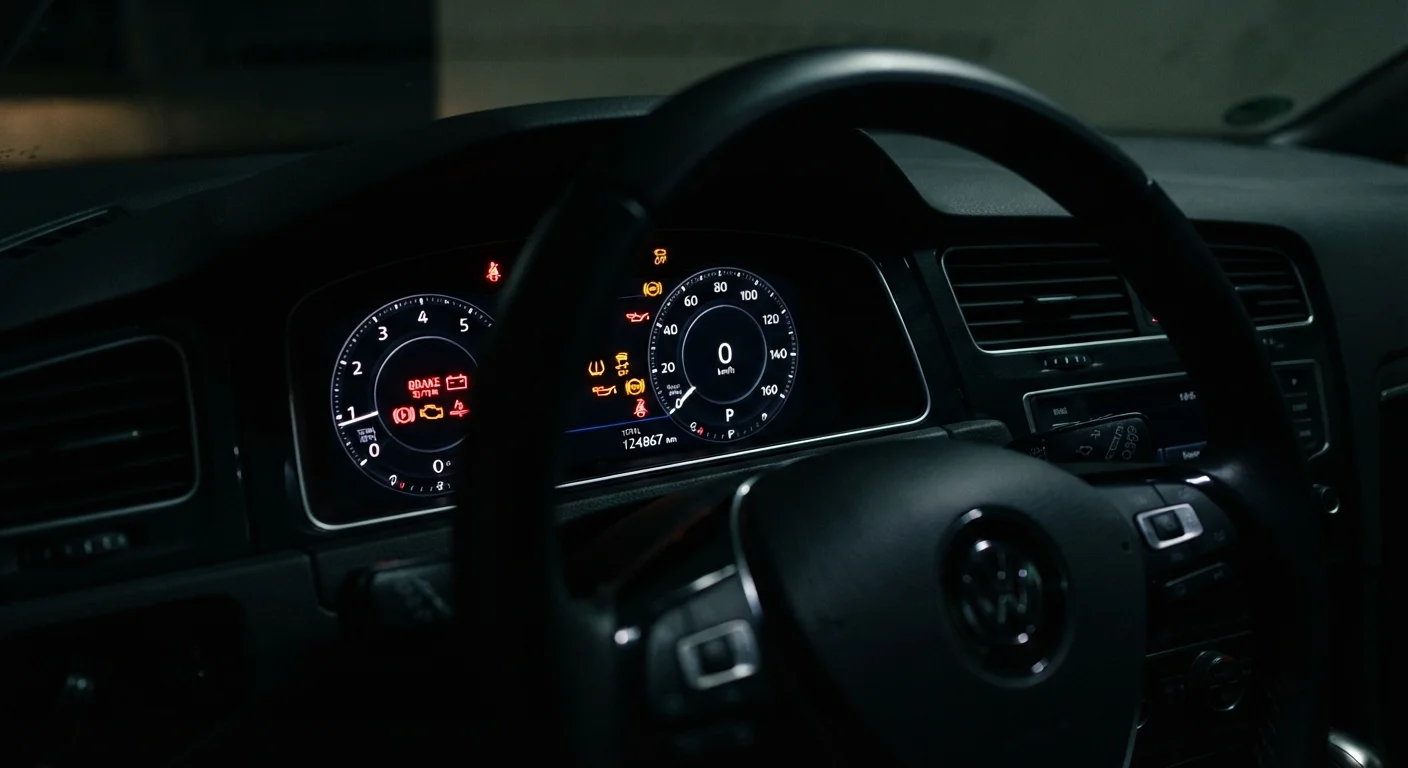
Why Warning Lights Exist - and Why They Matter
Modern vehicles are equipped with an onboard diagnostics system (OBD) that continuously monitors dozens of sensors. When something falls outside normal operating parameters, the system triggers a warning light on your dashboard. Think of these lights as your car's communication system - not a reason to panic, but never something to ignore.
The key distinction every driver needs to understand is urgency. Some lights signal an immediate threat to safety or your engine; others indicate a lower-priority issue you can address at your next service appointment. Misreading that difference can lead to costly repairs - or worse, a breakdown at the worst possible moment.
For a broader look at how dashboard alerts fit into your overall maintenance picture, see our guide to DIY car maintenance to understand which follow-up tasks you can handle yourself and which require a qualified mechanic.
| Color coding - Red lights | Require immediate action; stop driving if safe to do so |
| Color coding - Amber/Yellow lights | Attention needed soon; schedule service promptly |
| Color coding - Blue/Green lights | Informational only; no action typically required |
| Check engine light - flashing vs. steady | Flashing = active misfire (stop soon); Steady = scheduled diagnostic needed |
| Diagnostic scan tools | OBD-II scanners can read fault codes; available at many auto parts stores |
| Most common trigger for check engine light | Loose or faulty gas cap (simple fix, but always verify) |
The Most Common Warning Lights, Decoded
Below is a plain-English breakdown of the warning lights most drivers are likely to encounter.
Red Lights - Act Immediately
- Engine Temperature (Thermometer in Liquid): Your engine is overheating. Pull over safely, turn off the engine, and do not open the radiator cap. Continuing to drive risks severe engine damage.
- Oil Pressure (Oil Can): Oil pressure has dropped critically. Stop driving as soon as it is safe to do so. Low oil pressure can destroy an engine within minutes.
- Battery (Battery Symbol): The charging system is failing. Your vehicle is running on battery reserve only. Understanding battery health can help you recognize early warning signs before this light appears.
- Brake System (BRAKE or Exclamation in Circle): Could indicate low brake fluid, a hydraulic issue, or that your parking brake is engaged. If the parking brake is off, treat this as urgent.
Amber/Yellow Lights - Attention Soon
- Check Engine (Engine Outline): One of the most misunderstood lights on any dashboard. A steady light typically indicates an emissions or sensor issue - driveable, but schedule a diagnostic scan promptly. A flashing check engine light signals active misfiring and warrants pulling over.
- Tire Pressure (Flat Tire with Exclamation): One or more tires are outside the recommended pressure range. Check and adjust pressure when it is safe to stop.
- Traction Control / Stability Control (Car with Skid Lines): The system is actively working to maintain grip. If it stays on without slipping conditions, the system may have a fault.
- Service Required / Wrench Icon: A scheduled maintenance reminder - oil change or routine service is due.
OBD (Onboard Diagnostics)
A standardized system built into modern vehicles that monitors engine and emissions components. When a sensor detects a fault, the OBD system logs a fault code and may trigger a dashboard warning light.
Fault Code
A numeric code stored by the OBD system when a problem is detected. A mechanic or diagnostic scanner reads these codes to identify the specific issue triggering a warning light.
Malfunction Indicator Lamp (MIL)
The technical name for the check engine light. It illuminates when the OBD system detects an emissions-related or sensor fault that warrants attention.
Charging System
The combination of the alternator and battery that keeps a vehicle's electrical systems powered while the engine runs. A failing charging system will eventually drain the battery and stall the car.
Traction Control System (TCS)
A safety feature that detects wheel spin during acceleration and automatically reduces engine power or applies braking to help maintain grip on slippery surfaces.
Oil Pressure
The force at which engine oil circulates through the engine's components. Critically low oil pressure means moving parts are not being adequately lubricated, which can cause rapid and severe engine damage.
Blue and Green Lights - Information Only
Blue and green lights are generally informational. A blue thermometer means the engine is still warming up. Green indicators confirm active systems like turn signals or high beams.
Common Misconceptions About Warning Lights
One widespread myth is that a check engine light always means a serious, expensive repair. In reality, something as simple as a loose gas cap can trigger it. Still, dismissing it entirely is a mistake - only a diagnostic scan reveals the stored fault code.
Another misconception is that warning lights can be reset without fixing the underlying problem. While the light may clear after a reset, if the root cause remains, the light will return - and unresolved issues can compound into bigger failures.
Our article on car ownership myths covers similar misconceptions that trip up even experienced drivers.
When in Doubt, Get a Diagnostic Scan
Many auto parts retailers offer free OBD-II diagnostic scans that read the fault codes stored when a warning light appears. This won't replace a mechanic's assessment, but it gives you a starting point before you book a service appointment. Never rely on a code read alone to decide whether a vehicle is safe to drive - a qualified technician should evaluate the findings.
For safe driving in general, keeping your vehicle's systems in check is just one layer of awareness. Our Driving & Safety hub offers broader guidance on road awareness and safe habits.
The content provided on our blog site traverses numerous categories, offering readers valuable and practical information. Readers can use the editorial team’s research and data to gain more insights into their topics of interest. However, they are requested not to treat the articles as conclusive. The website team cannot be held responsible for differences in data or inaccuracies found across other platforms. Please also note that the site might also miss out on various schemes and offers available that the readers may find more beneficial than the ones we cover.