

Why Shoulder Season Isn't One-Size-Fits-All
The term gets tossed around as if it's a single, universal window - but shoulder season is always relative to a specific place. A beach destination in the Mediterranean has a completely different seasonal rhythm than a ski resort in Colorado or a wildlife reserve in East Africa. The "shoulder" is wherever demand dips on either side of that destination's peak.
For most Western European cities, the shoulders tend to fall in April-May and September-October. But take Iceland: its peak season runs through the short, bright summer, making shoulder season early June or late August - periods that would be solidly summer elsewhere. Meanwhile, tropical destinations like Thailand or Costa Rica often define seasons by wet and dry periods rather than temperature, so the "shoulder" might mean occasional afternoon rain rather than chilly temperatures.
The practical takeaway: look up your destination specifically. Don't assume a travel article about European shoulder season tells you anything useful about Southeast Asia or South America. When you're building out your travel itinerary, understanding local seasonality should come before locking in dates.
The Real Advantages - and the Honest Trade-Offs
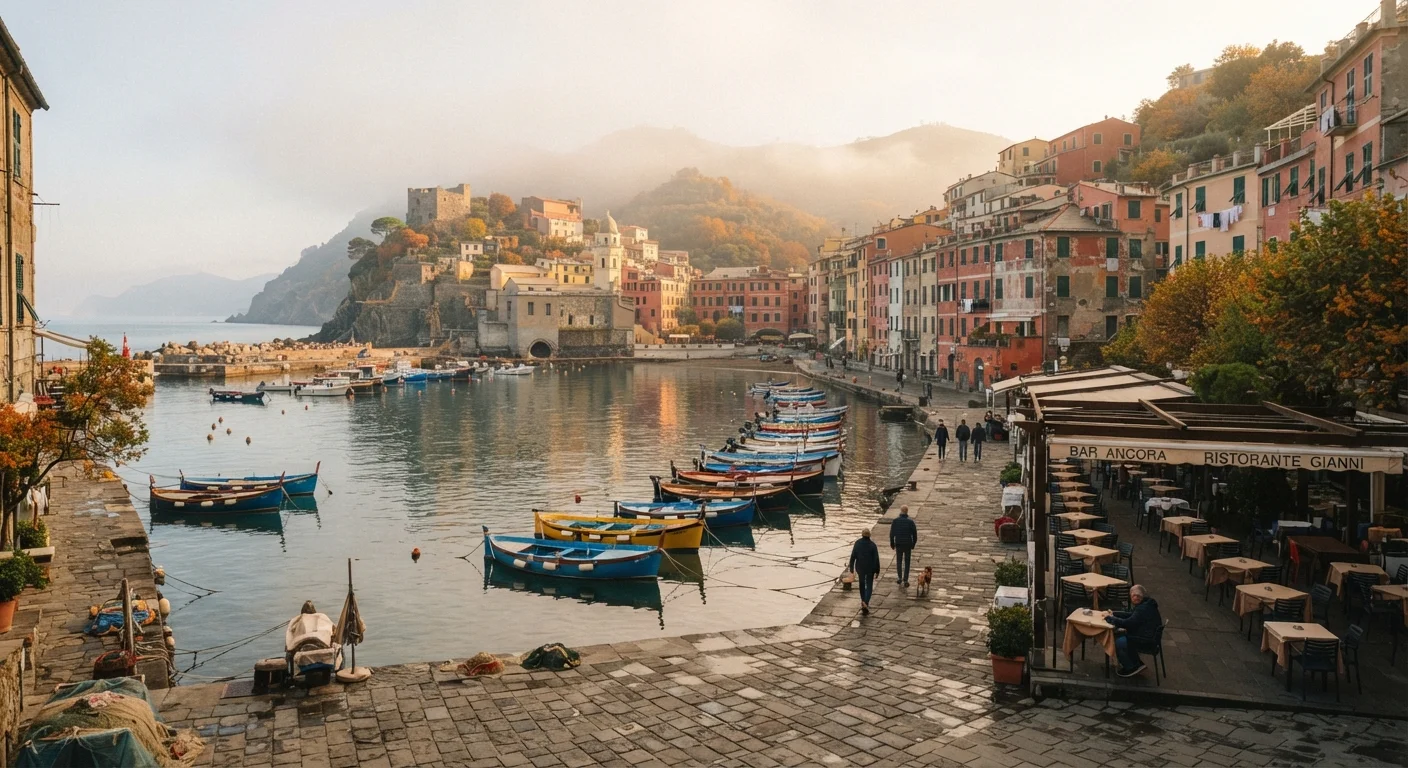
The appeal of shoulder season is genuine, and it centers on three things: fewer people, lower costs, and a more local feel. Popular sites that become genuinely unpleasant in peak crowds - think Venice in August or Santorini in July - can be entirely different experiences in October or early May. Restaurants are easier to get into. Locals are less overwhelmed. You spend less time queuing and more time actually being somewhere.
30-50%
Typical hotel rate reduction vs. peak season
Industry travel research consistently finds accommodation costs drop significantly in shoulder periods at many popular European and coastal destinations, though exact savings vary by property and location.
~20%
Fewer international arrivals in shoulder months
Tourism data from destinations like Portugal and Greece shows measurable drops in international visitor arrivals during April-May and September-October compared to June-August peaks.
2-3 weeks
Typical shoulder window on either side of peak
The transitional shoulder window at most beach and city destinations spans roughly two to three weeks before and after the primary high season, though this varies considerably by destination.
Cost savings on accommodation are real, though not uniform. Flights sometimes drop modestly, but airfare is influenced by so many variables that shoulder season alone doesn't guarantee cheaper tickets. Comparing prices against your specific travel dates always beats relying on general assumptions.
The honest trade-offs are worth naming clearly:
- Weather variability: Shoulder seasons exist partly because conditions are less reliable. Spring can bring rain; fall can bring early cold snaps. This isn't a dealbreaker, but it should inform what you pack and what activities you plan.
- Reduced services: Some restaurants run shorter hours, tour operators reduce frequency, and attractions may have limited access. Verify opening hours for anything that matters to your trip.
- Shoulder ≠ empty: Popular destinations during regional holidays can be just as packed during shoulder months as peak. A local long weekend can overwhelm a mid-sized town regardless of what month it technically is.
If you're weighing a slower, more immersive approach once you arrive, our look at slow travel vs. destination hopping explores how pace affects the whole experience - and shoulder season pairs naturally with taking things more slowly.
Match Your Flexibility to the Season
Shoulder season rewards travelers who can adapt. Build some buffer into your itinerary for weather shifts, unexpected closures, or spontaneous discoveries that open up when crowds thin out. An overly rigid day-by-day schedule can turn shoulder season's variability into a frustration rather than a feature.
How to Research Shoulder Season for Your Destination
Start with climate data, not travel marketing. Look at average temperature and rainfall by month for your destination - most national meteorological services publish this. Then layer in tourism data: when do major festivals happen? When do school holidays fall for the countries that most commonly visit that destination? Both factors spike crowds independently of weather.
Check which attractions and services matter most to you and confirm their seasonal schedules. A famous monastery that closes for the winter, a ferry route that stops running in October, or a popular market that only operates during summer are details worth knowing before you commit to dates.
For group trips, coordinating schedules often means you don't get to choose the optimal shoulder window freely - our group travel planning guide covers how to align calendars without chaos. Solo travelers typically have the most flexibility to exploit shoulder season fully, and planning a solo trip opens up that kind of nimble timing.
Visa and Entry Rules Don't Follow Seasons
Shoulder season affects crowds and prices - it has no bearing on visa requirements, vaccination recommendations, or border policies. These rules apply year-round and can change on short notice. Always check with your government's official travel portal and the destination country's embassy or consulate for current entry requirements before you travel.
Whatever your destination, always verify entry requirements, local safety conditions, and travel advisories through official government sources. Our overview of how travel advisory levels work is a useful starting point for understanding what those ratings actually signal - and when to take them seriously.
Frequently Asked Questions
For many European and North American destinations, shoulder season typically falls in April-May (spring) and September-October (fall). However, this varies widely by region - tropical and Southern Hemisphere destinations operate on entirely different seasonal cycles. Always research your specific destination.
Accommodation and sometimes flights can be meaningfully less expensive during shoulder periods, but savings aren't guaranteed. Popular destinations during local holidays or festivals can still command peak prices even outside their traditional high season. Compare actual rates before assuming you'll save.
Unpredictable weather is the most common complaint, followed by reduced operating hours at some attractions, restaurants, or tours. Some resort towns scale back services considerably once the peak rush ends, so it's worth verifying what will actually be open during your travel dates.
It can be, especially in early June or late August when school is either just starting or just ending and crowds thin out noticeably. The challenge for families is that the best shoulder windows often coincide with school terms, limiting flexibility. Spring break and fall break can serve as compromise timing.
Off-season typically means the quietest, often cheapest period - but it may also mean some businesses close entirely, weather is at its most difficult, and the destination feels genuinely dormant. Shoulder season retains most of the destination's active life while trimming the crowds and cost of peak time.
Yes - especially for popular destinations or if your travel falls near a local event or holiday. While shoulder season generally offers more availability than peak periods, assuming you can plan everything last-minute can lead to disappointment, particularly for accommodation in smaller towns.
The content provided on our blog site traverses numerous categories, offering readers valuable and practical information. Readers can use the editorial team’s research and data to gain more insights into their topics of interest. However, they are requested not to treat the articles as conclusive. The website team cannot be held responsible for differences in data or inaccuracies found across other platforms. Please also note that the site might also miss out on various schemes and offers available that the readers may find more beneficial than the ones we cover.