

Why Sakura Season Captivates the World
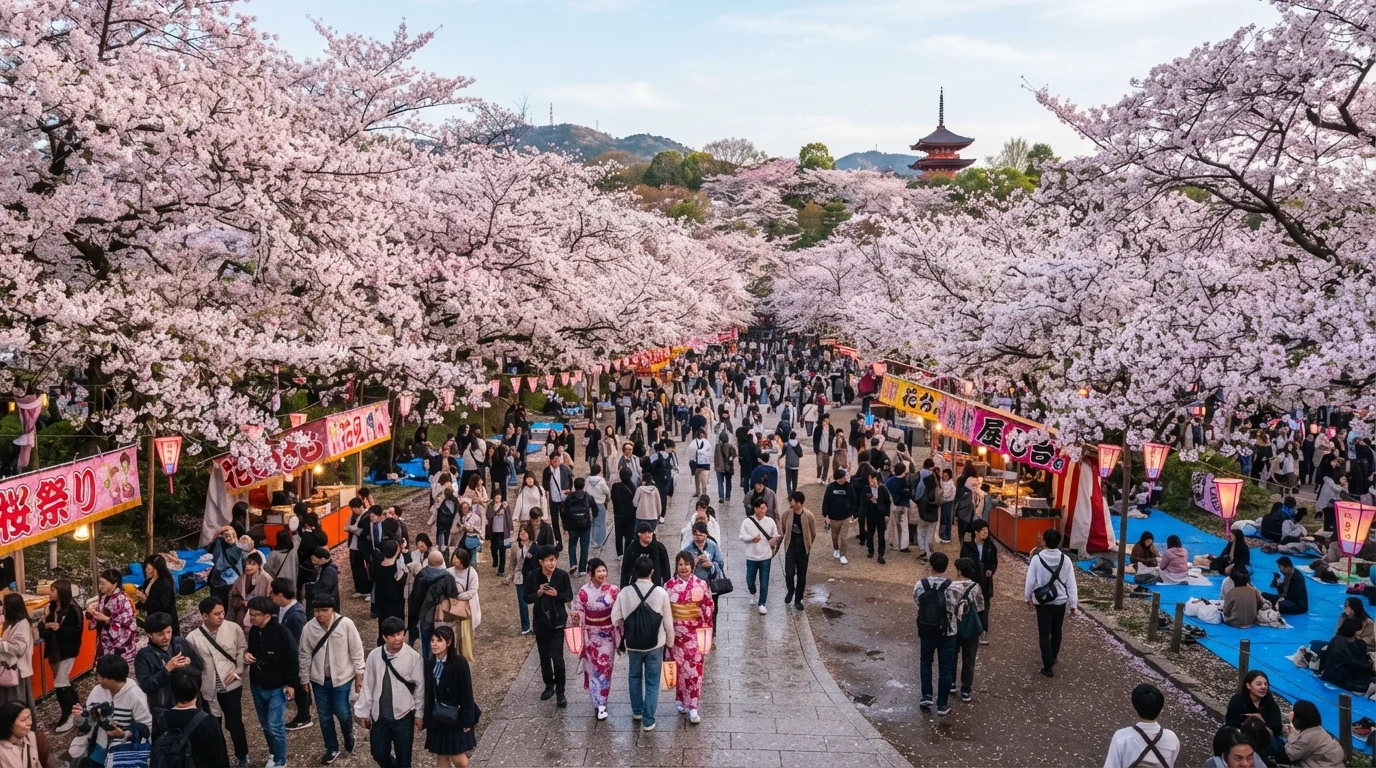
There's a reason cherry blossom season is one of the most talked-about travel experiences on the planet. For a fleeting window - usually spanning late March through mid-April across much of Honshu - Japan transforms into a landscape of soft pink and white canopies, drawing locals and international travelers alike into parks, riverbanks, and castle grounds. The Japanese concept of hanami (flower viewing) is centuries old and deeply woven into the culture: picnicking beneath the blossoms with friends, family, or colleagues is a genuine social tradition, not simply a photo opportunity.
But the experience is also genuinely challenging to navigate. If you're considering the trip, it pays to understand what you're walking into - the logistics, the crowds, and the beautiful unpredictability that defines the season. Be sure to also check out what first-time visitors often get wrong about Japan before you go, since sakura season amplifies every logistical hurdle for newcomers.
“The cherry blossom's brief bloom is inseparable from its beauty - it's the impermanence itself that makes the moment worth chasing.”
— Donald Richie, Author and long-time writer on Japanese culture and society
Best Practices for Planning Your Visit
A successful sakura trip hinges almost entirely on how far ahead you plan and how flexible you stay. Here are the most important practices to keep in mind:
Book accommodations at least four to six months before your target travel dates.
Hotels in popular cities like Tokyo, Kyoto, and Hiroshima fill up extremely fast once the Japan Meteorological Corporation releases its annual bloom forecast, typically in late January or early February. Waiting until you see the forecast means most good options are already gone.
Track multiple bloom forecast sources and build a flexible travel window of at least ten days.
Peak bloom (known as mankai) is notoriously unpredictable, shifting by a week or more depending on winter temperatures. A rigid five-day itinerary timed to a specific date risks missing the peak entirely.
Follow the bloom northward by building a multi-city itinerary.
Sakura blooms earlier in warmer southern cities like Fukuoka and Hiroshima, then progresses northeast through Osaka, Kyoto, and Tokyo over two to three weeks. A route that moves north with the bloom dramatically extends your viewing window.
Identify two or three backup viewing spots in each city beyond the most famous parks.
Major hanami spots are often overcrowded to the point of limiting enjoyment. Lesser-known sites offer comparable beauty without the density, and local parks frequently have full-canopy coverage.
Purchase Shinkansen tickets and transit passes well before arrival.
Reserved Shinkansen seats sell out quickly during peak season, and traveling without a reservation means navigating standby systems that can be stressful, especially with luggage during one of the country's busiest travel periods.
What to Expect on the Ground
Even with the best preparation, sakura season in Japan has an energy all its own - and it helps to know what you're stepping into.
~10 days
Typical peak bloom window per city
Japan's Meteorological Corporation notes that full bloom at any given location generally lasts seven to fourteen days, depending on temperature and wind.
Millions
Visitors to top hanami parks during peak weeks
Parks like Ueno in Tokyo and Maruyama in Kyoto attract enormous crowds during peak weekends, with local authorities regularly reporting record visitor numbers in recent years.
Popular spots like Tokyo's Ueno Park, Kyoto's Maruyama Park, and Osaka's Osaka Castle Park are extraordinary at peak bloom - and extraordinarily crowded. Lines for coffee carts snake through clusters of revelers, and weekend afternoons can feel more like a festival than a nature walk. That's not necessarily a bad thing: the communal joy is infectious. But if a quiet, contemplative experience is what you're after, seek out secondary parks, temple gardens, or neighborhoods a short train ride from city centers. Local tourism boards often publish bloom maps highlighting less-trafficked spots.
Weather is another wildcard. Rain during peak bloom is common and can accelerate petal fall significantly. A cloudy day can actually create beautiful, diffuse photography lighting, but a hard rain may strip petals faster than you'd like. Build extra days into your itinerary specifically to account for weather variability.
Go Early Morning for the Best Experience
Popular viewing parks are dramatically less crowded before 8 a.m. Arriving at sunrise gives you the best light for photography, more breathing room on pathways, and a genuinely peaceful atmosphere before tour groups and weekend crowds arrive. Many parks are open continuously during sakura season, so an early start is always an option.
Getting the Most Out of the Experience
Sakura season rewards the prepared and the patient. A few final pointers: visit the most famous spots early in the morning before crowds arrive; evening illuminations (yozakura) at select parks offer a magically different atmosphere. Learn a few basics of hanami etiquette - keep your picnic area clean, be mindful of noise levels in residential areas, and follow posted rules about open flames and alcohol in public parks, which vary by location.
Ultimately, cherry blossom season is everything it's hyped to be - and also genuinely demanding. Go in with clear expectations, a well-padded itinerary, and a genuine curiosity about Japanese culture beyond the blossoms themselves, and you're likely to come away with one of the most memorable travel experiences of your life.
Travel conditions, entry requirements, and local regulations can change. Always verify current information with official sources - including Japan's government travel advisories and your country's foreign affairs guidance - before booking.
The content provided on our blog site traverses numerous categories, offering readers valuable and practical information. Readers can use the editorial team’s research and data to gain more insights into their topics of interest. However, they are requested not to treat the articles as conclusive. The website team cannot be held responsible for differences in data or inaccuracies found across other platforms. Please also note that the site might also miss out on various schemes and offers available that the readers may find more beneficial than the ones we cover.