

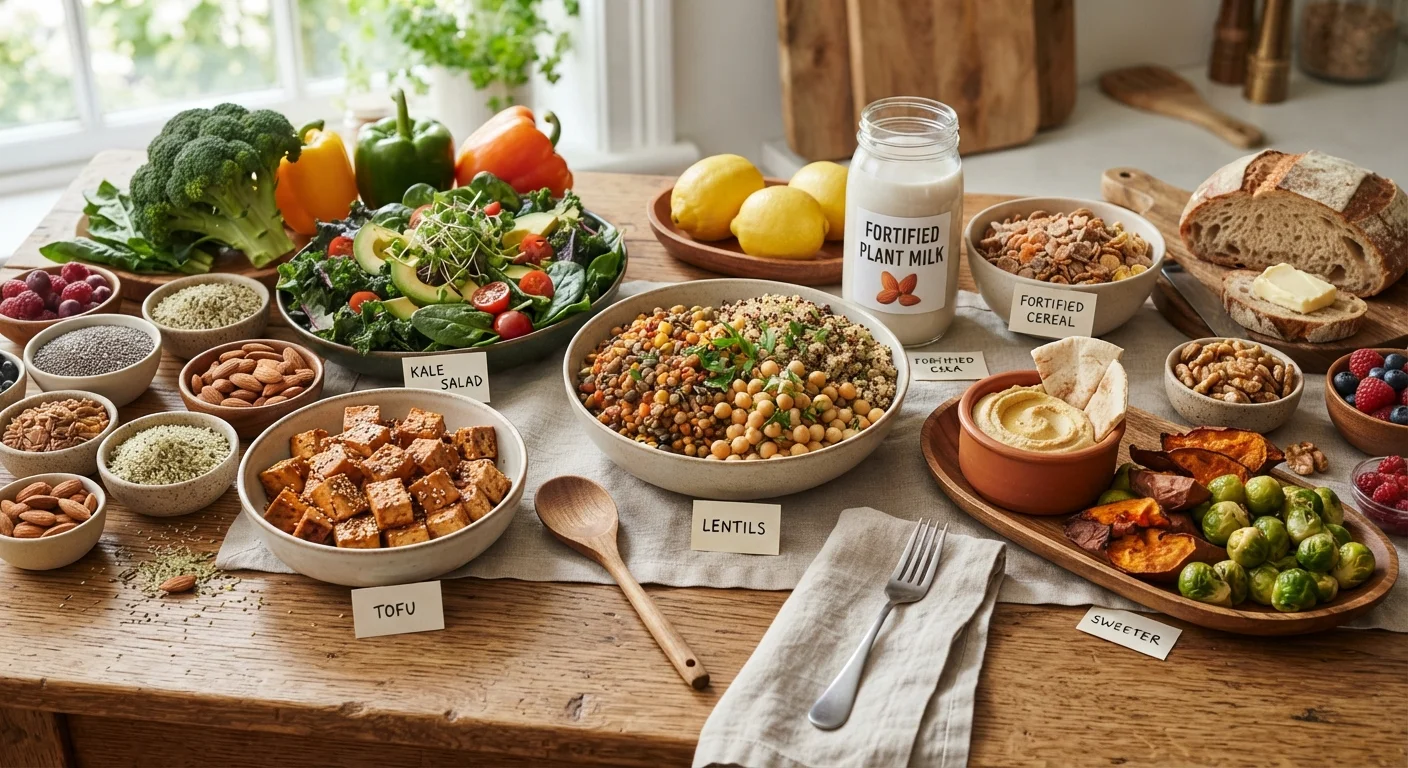
Why Plant-Based Diets Require Extra Nutritional Attention
Plant-based diets - whether vegetarian or fully vegan - are associated with a range of health benefits, including lower rates of heart disease and type 2 diabetes. But eliminating or significantly reducing animal products also removes some of the most bioavailable (easily absorbed) sources of key nutrients. Understanding where the gaps tend to appear is the first step to planning a diet that truly supports your health over the long term.
This isn't about discouraging plant-based eating. It's about helping readers make genuinely informed choices. If you're curious whether your overall grocery choices are covering your nutritional bases, our nutritional audit for your weekly shop is a practical starting point. Nutrient needs also shift with age - something worth factoring into your planning, as explored in our article on how dietary needs change across the decades.
The nutrients below are those most commonly flagged in research and clinical practice for people following plant-based diets. This is general nutrition information and not a substitute for personalised advice from a registered dietitian or physician.
Vitamin B12
Vitamin B12 is produced by microorganisms and found naturally in meaningful amounts almost exclusively in animal-derived foods - meat, fish, dairy, and eggs. For vegans especially, and for many vegetarians who consume limited dairy or eggs, regular intake is nearly impossible through whole food alone.
B12 is essential for nerve function, red blood cell formation, and DNA synthesis. A prolonged deficiency can lead to irreversible neurological damage. Fortified foods - such as certain plant milks, nutritional yeast, and breakfast cereals - provide a route for some people, but supplementation is generally recommended for vegans. Speak with a healthcare provider about appropriate testing and supplementation options.
B12 deficiency can cause irreversible nerve damage - supplementation is essential for most vegans.
Iron
Plant foods contain non-heme iron, which the body absorbs less efficiently than heme iron from meat. Foods such as lentils, tofu, tempeh, pumpkin seeds, and fortified cereals are solid plant-based sources, but absorption rates can be significantly lower than from animal sources.
Certain compounds in plant foods - particularly phytates found in legumes and grains - can inhibit iron absorption further. Consuming vitamin C-rich foods (like bell peppers or citrus) alongside iron-containing plant foods is a well-established strategy to improve uptake. Soaking, sprouting, and fermenting legumes and grains can also reduce phytate levels.
Pairing plant-based iron sources with vitamin C-rich foods meaningfully improves absorption.
Calcium
Dairy products are the most concentrated and well-absorbed dietary sources of calcium in the typical Western diet. Vegans who avoid all dairy must rely on alternatives such as fortified plant milks, calcium-set tofu, tempeh, bok choy, kale, almonds, and white beans. The calcium in some plant foods, however, is bound to oxalates (as in spinach), which reduce how much the body can absorb.
Adequate calcium is important throughout life but particularly during adolescence and older adulthood for bone health. Vegetarians who consume dairy regularly are generally less at risk, though vegans without fortified foods in their diet may fall short of recommended intakes.
Vegans relying on plant sources alone may fall short of calcium without fortified foods in their diet.
Omega-3 Fatty Acids (Especially EPA and DHA)
There are three main omega-3 fatty acids: ALA (alpha-linolenic acid), EPA, and DHA. Plant foods like flaxseeds, chia seeds, hemp seeds, and walnuts provide ALA, but EPA and DHA - the forms most directly used by the body, particularly for brain and cardiovascular health - are found primarily in fatty fish and seafood.
The human body can convert ALA into EPA and DHA, but the conversion rate is generally considered inefficient. Algae-based omega-3 supplements provide a direct, plant-derived source of EPA and DHA and are widely used by vegans. This is an area where discussing options with a dietitian is particularly worthwhile.
Algae-based supplements offer vegans a direct plant-derived source of EPA and DHA omega-3s.
Zinc
Zinc is involved in immune function, wound healing, and protein synthesis. While legumes, nuts, seeds, and whole grains contain zinc, the phytates in these foods can interfere with absorption. As a result, vegetarians and vegans may need somewhat higher dietary zinc intake to absorb comparable amounts to omnivores.
Soaking and sprouting legumes and grains reduces phytate content and improves zinc bioavailability. Pumpkin seeds, hemp seeds, cashews, and chickpeas are among the more zinc-dense plant options. Fermented soy products like tempeh may also offer better zinc absorption than unfermented equivalents.
Fermented and sprouted plant foods provide better zinc absorption than their unprocessed counterparts.
Vitamin D
Vitamin D is synthesized by the skin in response to sunlight, but dietary sources matter - especially in winter months or for people with limited sun exposure. Few foods are naturally rich in vitamin D; the most significant sources are fatty fish, egg yolks, and liver. Most people in the general population get some through fortified foods like milk or orange juice.
Vegans face added limitations because some fortified foods use vitamin D3 derived from lanolin (sheep's wool), making them non-vegan. Vitamin D2, or lichen-derived vitamin D3, are plant-based alternatives. Given how widespread vitamin D insufficiency is across all dietary patterns, testing and supplementing under medical guidance is often advisable.
Vitamin D insufficiency is common across all diets - testing and guided supplementation is often advisable.
Building a More Complete Plant-Based Plate
The good news is that most of these nutrient gaps are manageable with a combination of thoughtful food choices, preparation techniques, and - where food alone isn't sufficient - targeted supplementation guided by a healthcare professional. Soaking legumes reduces phytates that inhibit mineral absorption. Pairing plant-based iron sources with vitamin C-rich foods boosts uptake. Eating a wide variety of whole foods remains the foundation.
Make Periodic Blood Tests Part of Your Routine
Annual or biannual blood panels that include ferritin (iron stores), B12, vitamin D, and zinc levels give you concrete data about where you actually stand - not just where you think you might be based on your diet. This is especially useful for long-term vegans and vegetarians, and for anyone going through life stages with higher nutritional demands, such as pregnancy or older adulthood. Always discuss results and any supplementation decisions with a qualified clinician.
Because individual needs vary considerably based on age, health status, and dietary patterns, the most reliable approach is to have periodic blood work done. A clinician can identify any deficiencies specific to you and recommend appropriate interventions. Plant-based eating done well is nutritionally adequate - it simply rewards a little extra planning. For more on dietary patterns and overall nutrient sufficiency, see our overview of fibre and why most people don't eat enough of it.
This article is for general informational and educational purposes only and does not constitute medical or dietary advice. Always consult a qualified healthcare professional or registered dietitian for guidance tailored to your individual health needs.
The content provided on our blog site traverses numerous categories, offering readers valuable and practical information. Readers can use the editorial team’s research and data to gain more insights into their topics of interest. However, they are requested not to treat the articles as conclusive. The website team cannot be held responsible for differences in data or inaccuracies found across other platforms. Please also note that the site might also miss out on various schemes and offers available that the readers may find more beneficial than the ones we cover.