

Why Weekday Eating So Often Goes Sideways
Most adults don't struggle with nutrition because they lack knowledge - they struggle because time, energy, and decision-making bandwidth run out before dinnertime. After a full workday, the path of least resistance wins. Understanding this pattern is the first step toward working with it rather than against it.
Research consistently links meal skipping, heavy reliance on ultra-processed convenience foods, and irregular eating patterns to lower diet quality overall. The goal isn't to engineer a perfect diet - it's to reduce friction so that reasonably nourishing choices become the default. That means setting up systems, not following scripts.
If you'd like a structured way to evaluate whether your current grocery habits are supporting your nutrition, the nutritional audit for your weekly shop is a practical starting point.
Best Practices for Eating Well When Time Is Short
The following approaches are grounded in established nutrition principles and are designed to be realistic for everyday schedules - not idealized routines.
Batch-cook two or three versatile base ingredients each week
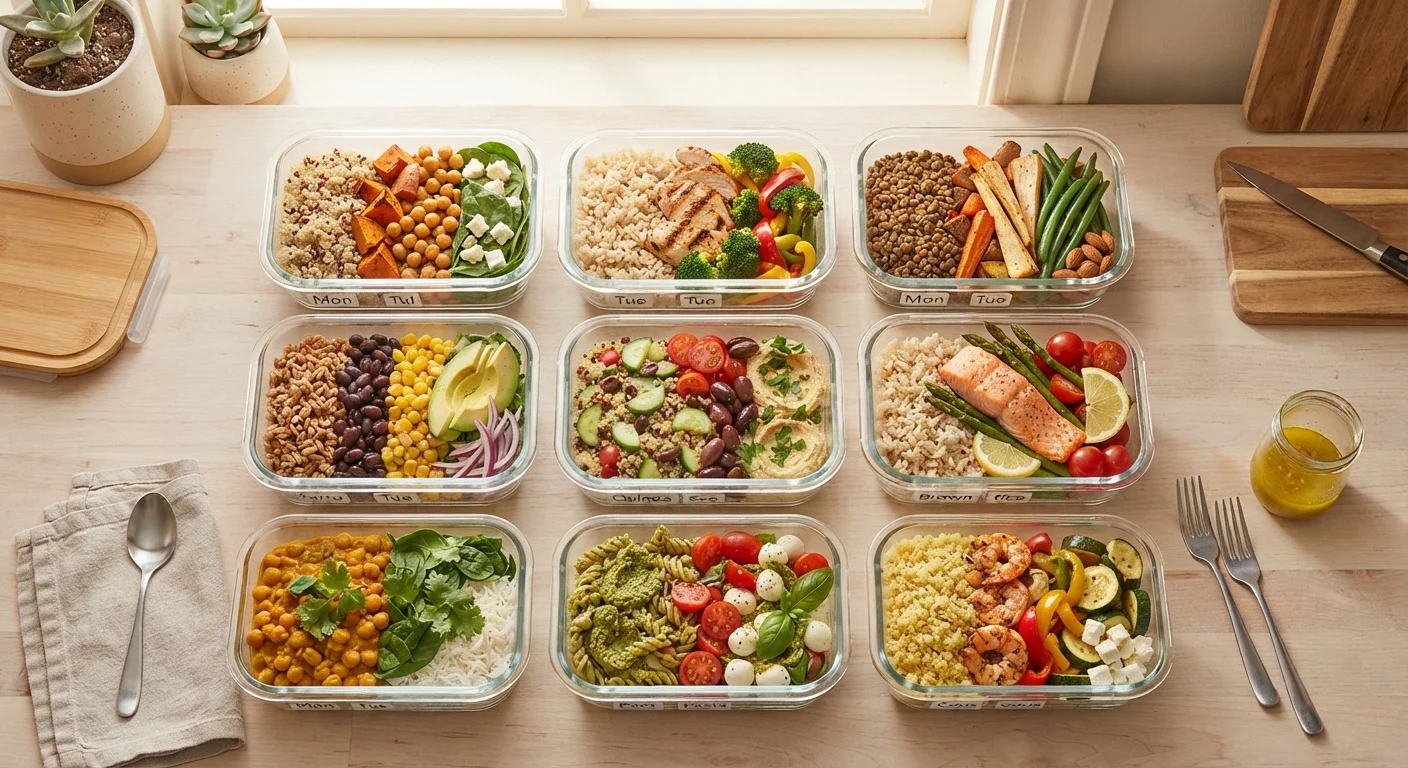
Cooking a pot of grains, a tray of roasted vegetables, and a protein source in advance gives you raw material for multiple meals without daily cooking. It eliminates the hardest part of weeknight eating - starting from zero when you're already tired.
Keep a well-stocked pantry of nutrient-dense shelf-stable ingredients
A reliable pantry acts as a safety net on days when fresh food runs out or plans change. Canned legumes, whole-grain pasta, tinned fish, and jarred tomatoes are not inferior options - they are legitimate tools for nutritious weeknight cooking.
Use frozen vegetables without guilt or hesitation
Frozen vegetables are typically harvested and frozen at peak ripeness, preserving most of their nutritional content. They require no washing, chopping, or urgency about spoilage - making them one of the most practical tools for weekday nutrition.
Apply a simple plate framework rather than tracking calories
Aiming to fill roughly half your plate with vegetables or fruit, a quarter with a protein source, and a quarter with a whole grain provides balanced nutrition without tracking apps or detailed meal plans. It's flexible enough to apply to takeout, leftovers, or home-cooked meals alike.
Eat breakfast in a form that actually works for your morning
Skipping breakfast consistently can increase mid-morning hunger and lead to less balanced choices later in the day. The goal is not a specific breakfast formula - it's finding something that provides protein and some fiber and can realistically happen in your morning routine.
Plan for at least two or three 'anchor meals' each week
Anchor meals are reliable, familiar meals you can make almost on autopilot - no recipe required, minimal decisions. Having two or three of these in rotation reduces the cognitive load of weekday cooking and prevents defaulting to options with lower nutritional value.
Quick Wins You Can Start This Week
You don't need to overhaul your entire routine to improve how you eat on weekdays. Small, targeted changes often have an outsized effect. Start with one or two of the following, and build from there.
Flexibility Beats Perfection Every Time
Rigid meal plans tend to collapse the moment life doesn't cooperate - and then nothing gets cooked at all. Building a flexible system of reliable ingredients and anchor meals means a busy or stressful day doesn't derail your nutrition. Aim for consistency across the week, not a flawless result at every meal.
For a broader framework on structuring meals across the week without a specialist, see planning a week of balanced meals without a dietitian.
This article is for general informational purposes only and does not constitute medical or dietary advice. Consult a qualified healthcare professional or registered dietitian for guidance specific to your health needs.
The content provided on our blog site traverses numerous categories, offering readers valuable and practical information. Readers can use the editorial team’s research and data to gain more insights into their topics of interest. However, they are requested not to treat the articles as conclusive. The website team cannot be held responsible for differences in data or inaccuracies found across other platforms. Please also note that the site might also miss out on various schemes and offers available that the readers may find more beneficial than the ones we cover.