

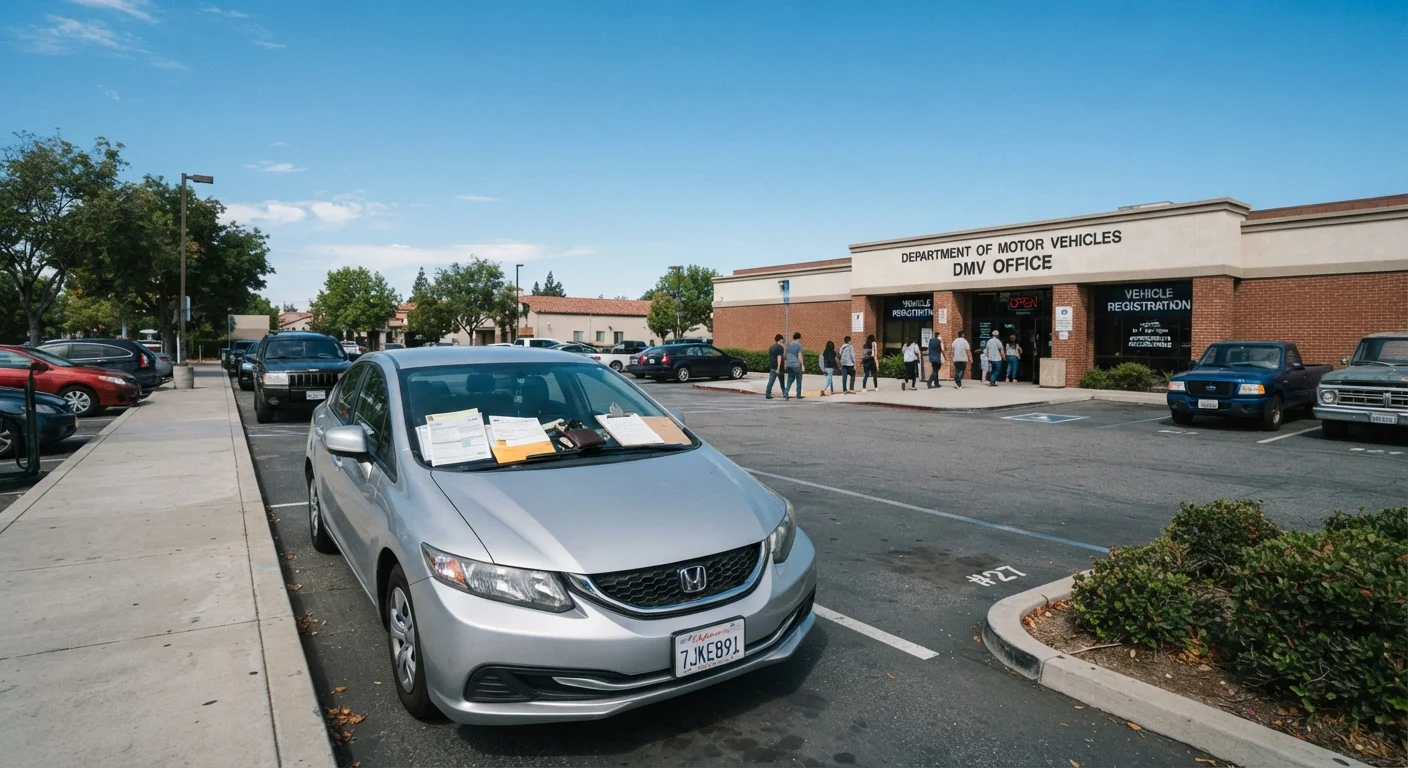
What Vehicle Ownership Actually Means
Owning a vehicle is more than holding a title - it's a bundle of legal obligations, financial responsibilities, and ongoing maintenance commitments that continue for as long as you own the car. Whether you're a first-time buyer or a seasoned driver, having a clear picture of those obligations helps you stay legal, safe, and financially prepared.
This reference guide covers the core terms and responsibilities every U.S. vehicle owner should understand: registration and titling, insurance requirements, roadworthiness standards, and the duties that come with operating a motor vehicle on public roads. For a broader financial picture, see the full cost of car ownership.
| Title Transfer Requirement | Required in all 50 states when a vehicle changes ownership |
| Minimum Insurance Requirement | Liability coverage mandatory in 49 states (State requirements vary; verify with your state DMV) |
| Registration Renewal Frequency | Typically annual; some states offer multi-year options |
| Safety Inspection Frequency | Annual in most states that require it; not all states mandate inspections |
| Documents to Keep in Vehicle | Proof of insurance, registration card, and driver's license |
| Lien Release | Issued by lender once auto loan is paid in full; title then transfers to owner |
Registration, Title, and Proof of Ownership
The certificate of title is the primary legal document establishing who owns a vehicle. When you purchase a car - whether through a dealership or private seller - the title must be transferred into your name through your state's Department of Motor Vehicles (DMV) or equivalent agency.
Vehicle registration is a separate, recurring requirement. It grants the right to operate the vehicle on public roads and must be renewed - typically annually - with a registration fee paid to the state. Most states also require a current license plate and a registration sticker or decal as visible proof.
If the vehicle was purchased with a loan, the lender is usually listed as a lienholder on the title until the loan is paid in full. Once paid off, the lien is released and full ownership transfers to you. Refer to our guide on owning vs. leasing for how title works differently under a lease arrangement.
Certificate of Title
The legal document that identifies the registered owner of a vehicle. It must be transferred whenever a vehicle changes hands and is held by the lender if the car is financed.
Vehicle Registration
A state-issued authorization to operate a specific vehicle on public roads, typically renewed annually with payment of a fee. Proof of registration must usually be carried in the vehicle.
Lienholder
A financial institution or lender that has a legal claim on a vehicle's title because it provided a loan to purchase the vehicle. The lien is removed once the loan is fully repaid.
Liability Insurance
Coverage that pays for injuries or property damage you cause to others in an at-fault accident. It does not cover damage to your own vehicle. Most U.S. states require it by law.
Comprehensive Coverage
An optional (but often lender-required) auto insurance add-on that covers vehicle damage from non-collision events such as theft, weather, fire, or animal strikes.
Safety Inspection
A state-mandated periodic check of a vehicle's key safety components - including brakes, lights, tires, and steering - to confirm the vehicle meets minimum roadworthiness standards.
Emissions Testing
A vehicle test required in many states and counties to verify that a car's exhaust output does not exceed regulated pollution limits. Requirements and frequency vary by location.
Collision Coverage
An auto insurance component that pays to repair or replace your own vehicle after a collision, regardless of who was at fault. Often required by lenders when the car is financed.
Insurance Obligations
Every U.S. state except New Hampshire requires drivers to carry at minimum liability insurance, which covers bodily injury and property damage you cause to others in an at-fault accident. Virginia previously allowed an uninsured motor vehicle fee in lieu of insurance but changed its laws - requirements vary by state and are updated periodically, so verify current rules with your state's DMV.
Beyond the legal minimum, owners commonly carry:
- Collision coverage - pays for damage to your own vehicle after a collision, regardless of fault.
- Comprehensive coverage - covers non-collision events such as theft, weather damage, or hitting an animal.
- Uninsured/underinsured motorist coverage - protects you if the at-fault driver carries insufficient insurance.
If you have an outstanding auto loan, your lender will generally require both collision and comprehensive coverage. Letting insurance lapse can result in fines, license suspension, or registration revocation - and leaves you personally liable for accident costs.
49
U.S. states requiring minimum liability auto insurance
New Hampshire does not mandate liability insurance but requires drivers to demonstrate financial responsibility if in an accident.
~31
U.S. states with some form of vehicle safety inspection
Requirements differ widely - some states inspect annually, others biennially or only at initial registration.
Roadworthiness, Inspections, and Ongoing Maintenance
Many states require periodic safety inspections - often annually - to confirm that a vehicle's brakes, lights, tires, steering, and other safety systems meet minimum standards. Some states also mandate emissions testing to ensure vehicles don't exceed pollution thresholds. Requirements vary significantly by state and sometimes by county, so check with your local DMV.
Beyond mandated inspections, owners carry a general duty to operate a vehicle that is mechanically sound. Driving with known defects - worn brake pads, bald tires, inoperative lights - can constitute negligence if those conditions contribute to an accident. See our car maintenance hub for practical upkeep guidance, and run through the annual ownership checklist to stay on top of recurring obligations.
Tasks like oil changes, fluid checks, and filter replacements are generally manageable for confident DIYers, but work involving brakes, suspension, or electrical systems is often best handled by a qualified mechanic to ensure safety and avoid inadvertent damage.
Driver Responsibilities on the Road
Holding a valid driver's license issued by your state of residence is a baseline legal requirement. Licenses must be renewed on the schedule set by your state, and certain violations can result in suspension or revocation. Commercial vehicle operators face additional licensing requirements.
As a driver, you are also responsible for understanding and following traffic laws - speed limits, right-of-way rules, distracted driving regulations, and DUI/DWI laws. These obligations don't change based on how long you've been licensed. Our driving and safety hub covers practical guidance for staying safe on public roads.
Finally, new owners should be aware that some common beliefs about ownership don't hold up to scrutiny. Several persistent myths - such as assumptions about warranty terms or insurance pricing - can lead to costly misunderstandings. Understanding what ownership truly requires from day one sets the foundation for a safer, less stressful experience. If you're just getting started, our first-time owner introduction walks through all the essentials.
The content provided on our blog site traverses numerous categories, offering readers valuable and practical information. Readers can use the editorial team’s research and data to gain more insights into their topics of interest. However, they are requested not to treat the articles as conclusive. The website team cannot be held responsible for differences in data or inaccuracies found across other platforms. Please also note that the site might also miss out on various schemes and offers available that the readers may find more beneficial than the ones we cover.