

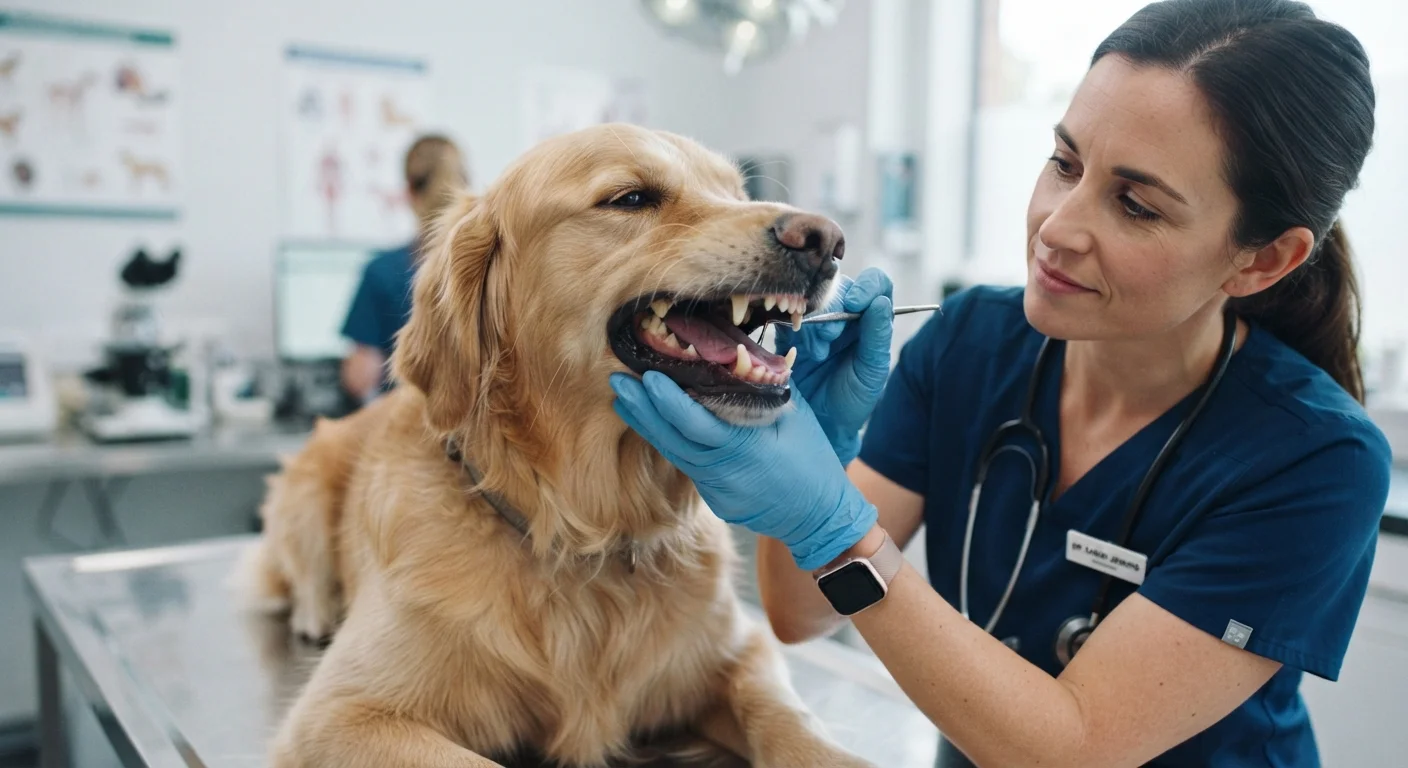
Why Dog Dental Myths Are Genuinely Dangerous
Dental health is one of the most overlooked aspects of routine dog care. Well-meaning owners frequently rely on advice passed down through generations - advice that sounds reasonable but is contradicted by veterinary science. The result is that millions of dogs quietly develop painful, progressive dental disease that goes undetected until it is advanced.
According to the American Veterinary Dental College, periodontal (gum) disease is the most common clinical condition found in adult dogs. Most dogs show signs of it by the time they reach three years of age. Early-stage dental disease rarely causes obvious symptoms, which makes myth-driven neglect especially harmful.
If you are just starting out as a dog owner, understanding what is true - and what is not - from day one makes an enormous difference. See our guide for new dog owners for a broader look at building healthy routines early.
Myth
Dogs clean their own teeth by chewing on bones, toys, or dry kibble.
Fact
Chewing provides minimal mechanical cleaning and does not remove the bacterial plaque that causes gum disease.
This is perhaps the most widespread dental myth among dog owners. While chewing does produce some friction on tooth surfaces, it does not reach the gum line - precisely where plaque accumulates and causes the most damage. Studies in veterinary dentistry consistently show that plaque can build into hardened tartar within 24 to 48 hours if not physically disrupted by brushing. No chew toy or diet formulation replicates the effectiveness of daily toothbrushing.
Myth
Bad breath is just a normal part of owning a dog.
Fact
Chronic bad breath (halitosis) in dogs is almost always a symptom of bacterial overgrowth, gum disease, or another underlying health condition.
A healthy dog's breath should not have a strong offensive odor. Persistent bad breath typically signals a significant buildup of odor-producing bacteria in the mouth, often associated with periodontal disease. In some cases, it can indicate kidney disease, diabetes, or gastrointestinal issues. Rather than masking the smell with dental treats alone, owners should bring persistent halitosis to a veterinarian's attention for proper evaluation.
Myth
Veterinary dental cleanings under anesthesia are too risky to bother with.
Fact
For most dogs, the health risks of untreated dental disease far outweigh the well-managed, low risks of modern anesthetic protocols.
Modern veterinary anesthesia is substantially safer than it was two decades ago. Pre-anesthetic bloodwork, patient monitoring, and tailored drug protocols reduce risk considerably. Veterinary teams follow specific safety guidelines, particularly for older or higher-risk patients. By contrast, advanced periodontal disease is painful, can lead to tooth loss and jawbone damage, and has been associated with systemic inflammation affecting the heart, kidneys, and liver. Avoiding a professional cleaning out of anesthesia fear often causes significantly greater harm over time.
Myth
Small dogs don't need as much dental attention as large breeds.
Fact
Small and toy breeds are actually more prone to dental crowding, faster tartar accumulation, and earlier-onset periodontal disease.
Smaller dogs have the same number of adult teeth - 42 - packed into a much smaller jaw. This crowding creates tight spaces where plaque accumulates rapidly and is difficult to remove even with brushing. Veterinary dental professionals consistently observe that small breeds such as Chihuahuas, Dachshunds, and Yorkshire Terriers tend to develop severe periodontal disease earlier in life than many larger breeds. If anything, small dog owners should be more vigilant, not less.
Myth
If a dog isn't showing pain, its teeth are probably fine.
Fact
Dogs instinctively mask pain and discomfort, making dental disease very difficult for owners to detect without professional examination.
Dogs evolved as prey-concealing animals and rarely display obvious signs of oral pain even when dental disease is advanced. A dog may continue eating normally despite significant tooth root infection, loose teeth, or gum erosion. Owners often discover serious dental problems only during a routine veterinary exam. Waiting for visible distress as a cue to seek dental care typically means disease has already progressed to a stage that requires more involved treatment.
Building a Dental Care Routine That Actually Works
Correcting misconceptions is only the first step. Translating that knowledge into consistent daily practice is where long-term dental health is truly won or lost.
80%
Dogs with dental disease by age 3
The American Veterinary Dental College estimates that most dogs show signs of periodontal disease by their third birthday.
42
Adult teeth in every dog
All adult dogs - regardless of breed or size - have 42 permanent teeth, making consistent oral hygiene universally important.
Brushing frequency matters most. Daily brushing with a toothbrush and toothpaste formulated specifically for dogs is the gold standard recommended by veterinary dental professionals. Human toothpaste contains fluoride and xylitol - both toxic to dogs - so it must never be used. Aim to brush at the same time each day so it becomes an established part of your dog's routine rather than an occasional event.
Supplements and dental chews are adjuncts, not replacements. Products carrying the Veterinary Oral Health Council (VOHC) seal have met testing standards for plaque or tartar reduction. They can support a brushing routine but are not sufficient on their own.
Schedule annual veterinary oral exams. Your veterinarian can assess the degree of tartar accumulation, identify early gum disease, and recommend professional cleaning when warranted. Anesthesia-free dental cleaning marketed by some grooming services does not allow for safe examination below the gum line and is not considered an equivalent by veterinary dental professionals.
Never Use Human Toothpaste on Dogs
Many human toothpastes contain fluoride and xylitol, both of which are toxic to dogs and can cause serious health problems even in small amounts. Always use a toothpaste specifically formulated and labeled safe for dogs. If you are unsure which product to use, ask your veterinarian for a recommendation.
This article is for general informational purposes only and is not a substitute for professional veterinary advice. Always consult a licensed veterinarian regarding your dog's specific dental health needs.
The content provided on our blog site traverses numerous categories, offering readers valuable and practical information. Readers can use the editorial team’s research and data to gain more insights into their topics of interest. However, they are requested not to treat the articles as conclusive. The website team cannot be held responsible for differences in data or inaccuracies found across other platforms. Please also note that the site might also miss out on various schemes and offers available that the readers may find more beneficial than the ones we cover.