

Why Marketing Materials Fall Short
Every school produces materials designed to attract families. Brochures, websites, and open-house presentations emphasize strengths - award-winning programs, college placement rates, extracurricular variety - while naturally downplaying weaknesses. This isn't deception so much as selective emphasis, and it's entirely predictable. The problem arises when families treat promotional content as a complete picture.
What brochures rarely convey is daily classroom culture: how teachers handle conflict, how support staff respond to a struggling student, or how the school community treats families who don't fit the dominant demographic. These less-visible dimensions often determine whether a child genuinely thrives or merely gets by. If you're new to exploring schooling options more broadly, choosing a schooling path for your child offers a useful starting framework before you begin comparing specific schools.
Verify Information Through Official Sources
School websites and guided tours present a curated image. Always cross-reference claims about accreditation, test scores, and safety records with your state's Department of Education database or publicly available school report cards. Independent verification protects you from making a major decision based on incomplete or outdated information.
Tools and Preparation Before You Visit
Arriving prepared makes every school visit significantly more productive. Gather your research materials in advance and clarify what non-negotiables your family has - whether those relate to special education services, language programs, transportation, or philosophical alignment on discipline and instruction.
State Department of Education School Report Cards
Access publicly available data on academic performance, attendance rates, teacher qualifications, and safety incidents.
Prepared Question List
A written list of questions ensures you gather consistent, comparable information across multiple school visits.
Notebook or Digital Note-Taking App
Record observations, staff names, and answers during visits so details don't blur together afterward.
School's Most Recent Annual Report or Accountability Data
Provides year-over-year trends in enrollment, graduation or promotion rates, and program offerings.
What you will need
If you're evaluating an online or hybrid school rather than a traditional campus, the process differs in important ways. Online schools are not all the same - understanding the distinctions between virtual schools, online academies, and hybrid programmes is essential before applying the same evaluation lens.
How to Evaluate What You Observe
Review publicly available performance and safety data
Before setting foot on campus, look up the school's official report card through your state's Department of Education website. These records typically include proficiency rates in core subjects, chronic absenteeism figures, disciplinary incident counts, and teacher certification rates. Compare these numbers against district and state averages - not as a pass/fail test, but as context for the questions you'll ask later.
Schedule a visit and request a classroom observation
Contact the school's main office to arrange a tour, and specifically ask whether you can observe a class in session rather than simply walk the hallways. A willing school will generally accommodate this request. During the observation, note how teachers manage the room, whether students appear engaged, and how questions and mistakes are handled - these interactions reveal far more about pedagogical culture than any mission statement.
Assess the physical and social environment
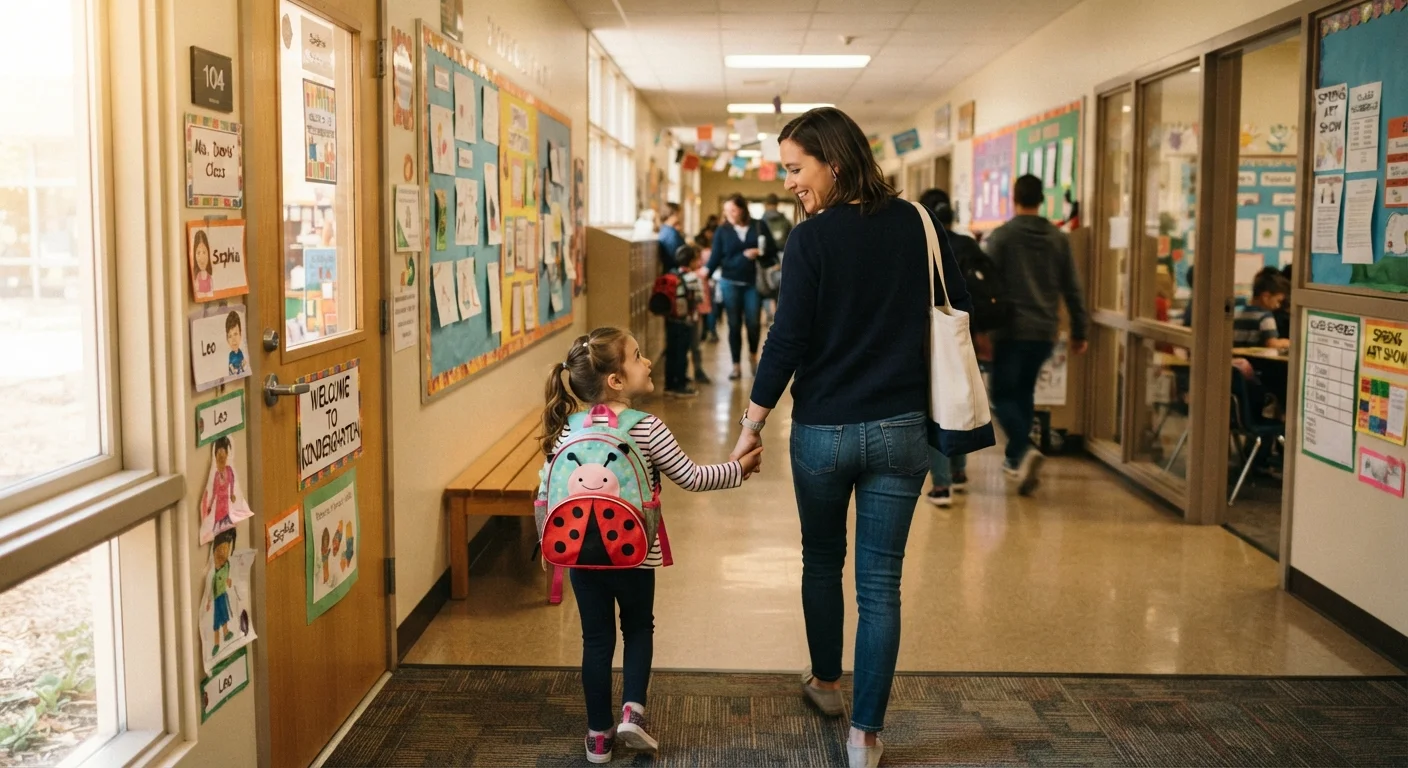
Walk common areas - hallways, cafeteria, playground or outdoor spaces - and pay attention to how students and staff interact when they think no one is watching. Are hallway transitions orderly without feeling rigid? Do students greet adults respectfully? Is student work displayed in a way that celebrates diverse achievement, or only top performers? The physical environment, including cleanliness, maintenance, and accessibility features, also signals how well the school is resourced and managed.
Ask targeted questions of administrators and teachers
Come prepared with specific questions rather than open-ended ones. Examples include: How does the school identify and support students who are struggling? What does a typical week of instruction look like in the grade my child would enter? How is parental communication handled - and how quickly are concerns addressed? For a comprehensive starting checklist, see questions to ask before enrolling your child in any school. Listen for concrete, specific answers; vague or scripted responses warrant follow-up.
Seek out current families and community feedback
The most candid assessments come from families already navigating the school. Attend a public school board meeting, check whether the school has an active parent-teacher organization, or ask the admissions contact if they can connect you with a current parent willing to speak candidly. Online neighborhood forums and local community groups can also surface recurring themes - both positive and negative - that don't appear in official materials.
Evaluate fit against your child's specific needs
Compile your notes and weigh what you've observed against your child's learning style, social temperament, and any academic or support needs. A high-performing school on paper may be a poor fit for a child who thrives in project-based learning if the school is heavily lecture-driven. If you're weighing multiple school formats, how different schooling formats compare across key factors can help you structure that comparison. No single school is objectively best - the goal is the best match for your specific child and family.
Talk to Current Families, Not Just Staff
Parent volunteers near the front office, families waiting at pickup, or members of the school's parent organization can share unfiltered perspectives. Ask open-ended questions like 'What surprised you most after your child started here?' to draw out honest, specific insights rather than rehearsed praise.
One Visit Is Rarely Enough
A single scheduled tour gives you a school's best performance. If possible, visit on an unscheduled morning or attend a public event - such as a school board meeting or community fair - to observe a more typical day. First impressions matter, but patterns observed over multiple interactions are far more reliable.
After completing your visits and conversations, review your notes as a whole. Patterns matter more than isolated moments. A single disorganized transition doesn't define a school; a pattern of disengagement across multiple classrooms does. Similarly, one enthusiastic teacher doesn't offset systemic gaps in support services. For a structured self-check before making a final commitment, the self-assessment checklist before enrolling in any programme provides a useful final filter - many of its questions apply equally well to K-12 school decisions.
The content provided on our blog site traverses numerous categories, offering readers valuable and practical information. Readers can use the editorial team’s research and data to gain more insights into their topics of interest. However, they are requested not to treat the articles as conclusive. The website team cannot be held responsible for differences in data or inaccuracies found across other platforms. Please also note that the site might also miss out on various schemes and offers available that the readers may find more beneficial than the ones we cover.