

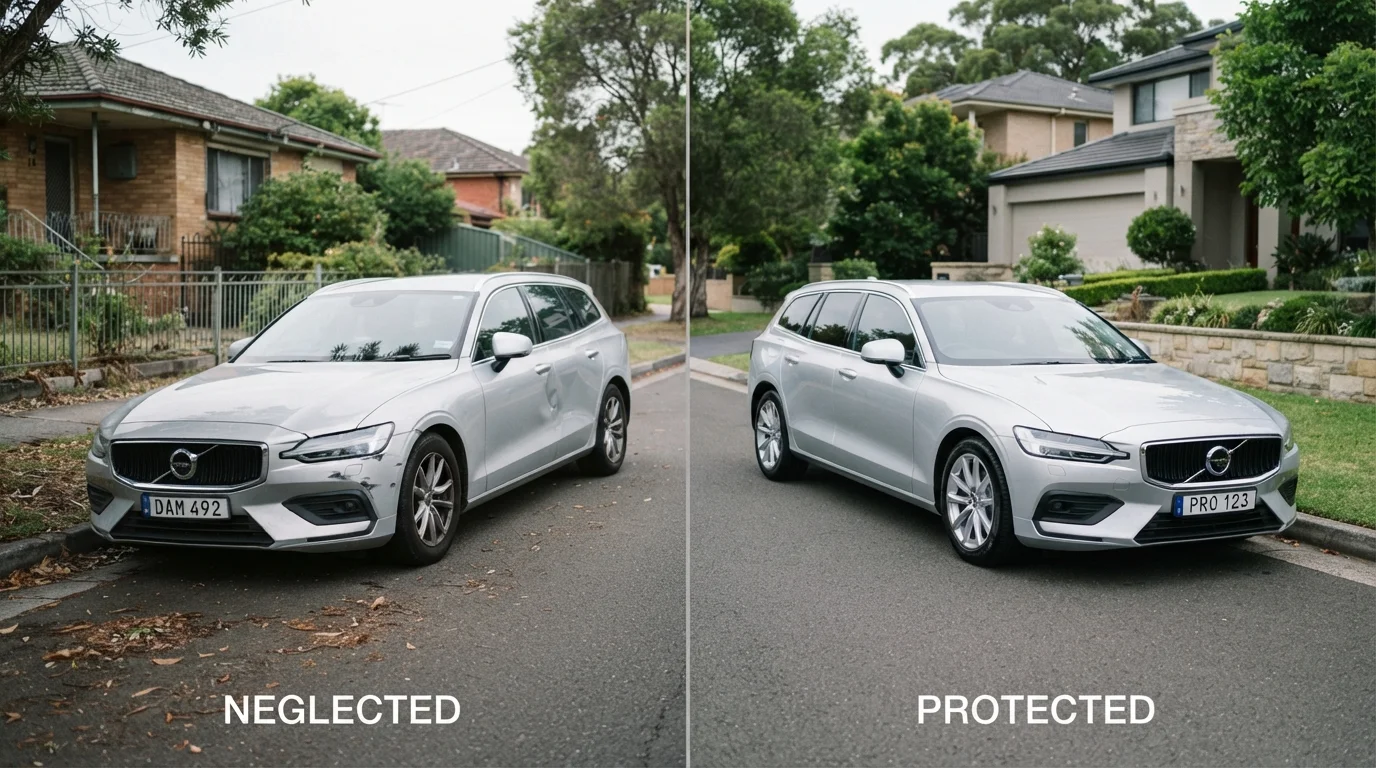
Option A
Comprehensive Car Insurance
The broadest protection available for your vehicle.
Best for: Drivers who want cover for damage to their own car, regardless of who is at fault.
Option B
Third-Party Car Insurance
The minimum legal baseline covering others, not you.
Best for: Drivers of lower-value vehicles who primarily want protection against liability to others.
What Each Policy Actually Covers
Comprehensive car insurance is the broadest standard policy type available. It covers damage to your own vehicle from collisions (including at-fault accidents), theft, vandalism, weather events, and fire - in addition to covering damage or injury you cause to other people and their property. For a fuller breakdown of how these categories work, see our Car Insurance Explained guide.
Third-party car insurance covers only the liability side of the equation: if you cause an accident, your insurer pays for the other party's vehicle repairs, medical costs, and related damages. Your own car is not covered for repair or replacement under this policy. In most US states, some form of third-party liability cover is a legal requirement to drive on public roads.
It's worth noting that policy names can vary by insurer and state. Some providers offer intermediate options - such as third-party, fire and theft - that sit between the two main tiers. Always read the specific declarations page of any policy you're considering.
| Criterion | Comprehensive | Third-Party |
|---|---|---|
| Damage to your own car | Covered | Not covered |
| At-fault collision | Your car + others covered | Others only |
| Theft of your vehicle | Typically covered | Not covered |
| Weather and fire damage | Typically covered | Not covered |
| Third-party liability | Covered | Covered |
| Typical premium level | Higher | Lower |
| Required for financed vehicles | Usually yes | Usually no |
How Costs and Exclusions Play Out
Comprehensive policies generally carry higher premiums than basic third-party cover, but that difference isn't fixed. Factors such as your driving record, vehicle age, annual mileage, and where you garage the car all influence what you pay - often more significantly than the policy tier alone. Our article on what affects your car insurance premium walks through these variables in detail.
Regardless of which policy you hold, exclusions apply. Common exclusions across both types include:
- Mechanical breakdown or wear and tear
- Damage caused while driving under the influence
- Use of the vehicle for commercial purposes not disclosed at application
- Drivers not listed on the policy
Comprehensive cover does not mean unlimited cover. Understanding the fine print - including your deductible (the amount you pay before the insurer steps in) and any sub-limits - is essential. Our guide to reading a car insurance policy explains how to navigate those sections confidently.
State Requirements Vary Significantly
Minimum insurance requirements differ from state to state. While third-party liability cover is broadly required across the US, the specific minimums for bodily injury and property damage liability vary. Some states also mandate additional coverages such as uninsured motorist protection or personal injury protection (PIP). Always verify your state's requirements with your state's department of motor vehicles or insurance regulator before selecting a policy.
Choosing the Right Level for Your Situation
There's no universally correct answer - the right policy depends on your individual circumstances. A few practical questions can help frame the decision:
- What is your vehicle worth? If the car's current market value is low, the maximum payout under comprehensive may not justify the additional premium cost.
- Could you absorb the cost of repairs or replacement? If paying out of pocket for significant damage would cause real financial hardship, broader cover provides a meaningful safety net.
- How and where do you drive? High-traffic commutes, areas with elevated vehicle theft, or regions prone to severe weather all increase the likelihood of a claim - making comprehensive cover more valuable in those contexts.
- Are there loan or lease obligations? Lenders and leasing companies typically require comprehensive coverage on financed vehicles. Check your financing agreement before downgrading cover.
~13%
US drivers estimated to be uninsured
The Insurance Research Council has estimated that roughly 1 in 8 US drivers carries no insurance, underscoring the value of uninsured motorist coverage regardless of your policy tier.
$4,700+
Average cost of a collision claim
Industry data from the Insurance Information Institute indicates average collision claim costs have risen steadily, highlighting the financial exposure of driving without own-vehicle cover.
Whichever level you choose, review your policy annually. As a vehicle ages and depreciates, the calculus between premium cost and potential payout can shift, making it worth reassessing whether your current cover level still makes sense.
The content provided on our blog site traverses numerous categories, offering readers valuable and practical information. Readers can use the editorial team’s research and data to gain more insights into their topics of interest. However, they are requested not to treat the articles as conclusive. The website team cannot be held responsible for differences in data or inaccuracies found across other platforms. Please also note that the site might also miss out on various schemes and offers available that the readers may find more beneficial than the ones we cover.